
Green Technology: Sustainable Innovations and Their Role in the Fight Against Climate Change
Understanding Green Technologies
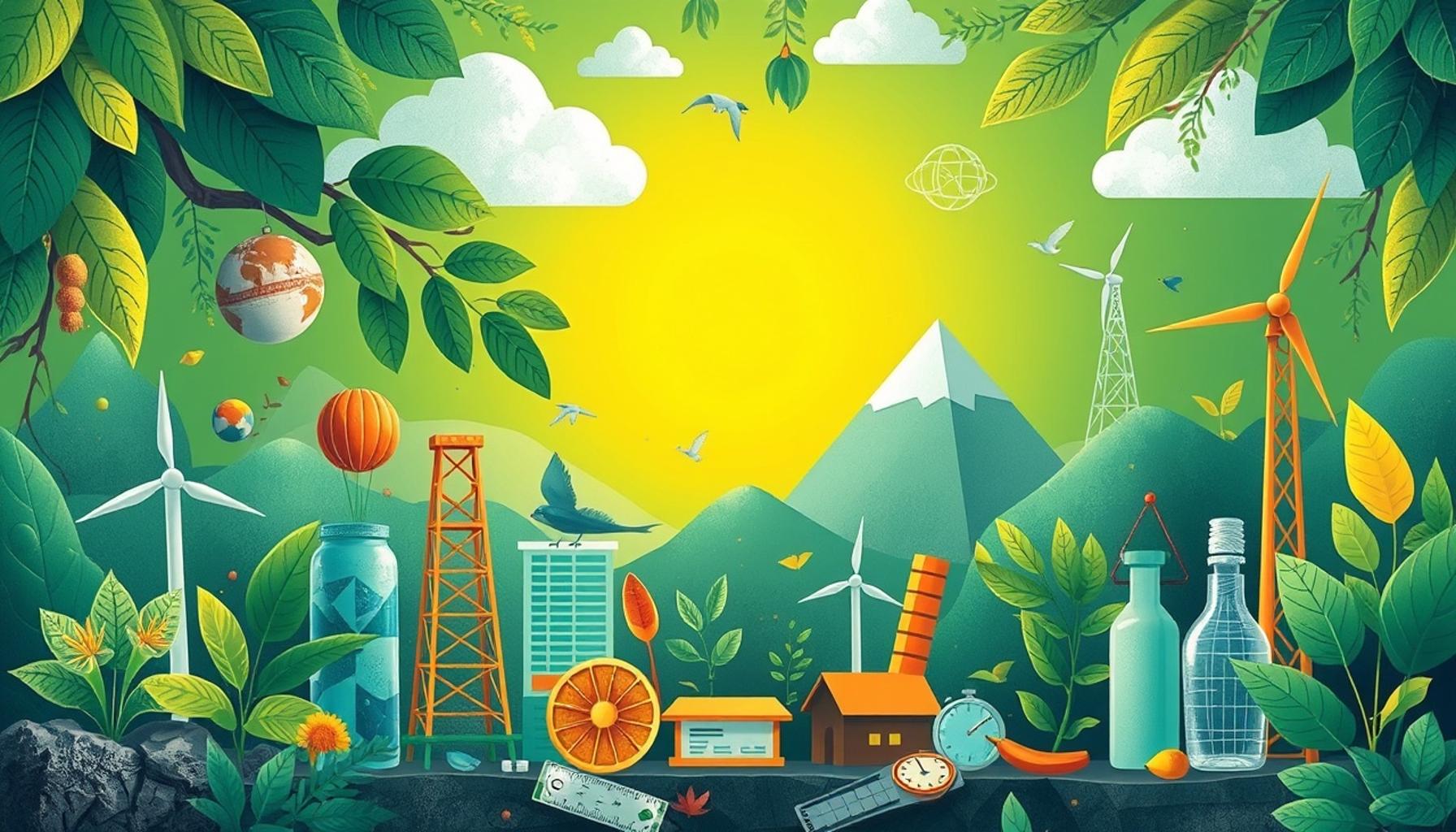
The urgency to address climate change calls for actionable and effective solutions. As we search for ways to combat environmental degradation, green technology stands out as a vital approach. This technology encompasses a wide range of innovative tools and practices, all aimed at promoting sustainability and protecting our planet’s resources.
Renewable Energy
One of the most transformative areas of green technology is renewable energy. By utilizing natural forces like sunlight and wind, we can harness power without depleting the Earth’s resources. For example, solar panels convert sunlight into electricity, providing power for homes, schools, and businesses. This source of energy not only reduces our reliance on fossil fuels but also significantly decreases greenhouse gas emissions.
Similarly, wind turbines capture the kinetic energy from the wind and convert it into electricity. Regions like Texas and California are leading the way in wind energy production, showing that large-scale renewable projects can successfully displace traditional energy sources.
Energy Efficiency
Another critical component of green technology is energy efficiency. This approach focuses on reducing energy consumption through smarter technologies. Smart grids use advanced technology to optimize the delivery of electricity, ensuring that energy is used more efficiently across communities. In addition, energy-saving appliances like LED light bulbs and Energy Star-rated refrigerators consume significantly less power than their traditional counterparts, leading to lower electricity bills for consumers.
Waste Management
Innovation in waste management also plays a crucial role in promoting sustainability. Technologies that facilitate recycling and composting can drastically reduce the amount of waste that ends up in landfills. For instance, composting not only diversifies waste management but also enriches soil health, ultimately contributing to better agricultural practices. Local initiatives, such as community composting programs, can empower neighborhoods to take part in sustainable waste practices, turning what would have been garbage into valuable resources.
Water Purification
Lastly, water purification technologies ensure that clean drinking water is accessible for everyone, addressing a fundamental human need. Advanced filtration systems, reverse osmosis, and ultraviolet disinfection methods are just a few examples of how we can convert contaminated water into potable supplies. In areas prone to drought or water scarcity, these technologies can transform lives by providing reliable access to clean water.
Integrating these technologies is not only essential for combating climate change but also presents opportunities for economic growth and the creation of new employment opportunities in sectors like solar energy installation, waste management, and smart technology industries. By understanding these innovations and their real-world applications, communities can make more informed choices that benefit both the environment and the economy.
As we delve deeper into the various types of green technologies, we will highlight their practical applications and impacts, guiding readers toward a more sustainable future. Embracing these innovations is crucial for achieving a healthier planet and a thriving economy.
DISCOVER MORE: Click here to learn about the future of remote work</
Key Innovations in Green Technology
As we delve into the realm of green technology, it becomes evident that various innovations not only aim to protect our environment but also enhance the quality of life for individuals and communities. By adopting these groundbreaking solutions, we can forge a pathway toward a sustainable future. Below, we will explore several pivotal innovations that contribute to sustainability and their potential in addressing climate change.
Biomimicry
Biomimicry is an innovative approach that draws inspiration from nature to solve human challenges. By studying natural processes and systems, designers and engineers can create sustainable products and practices that mirror the efficiency found in nature. For instance, the design of buildings inspired by termite mounds has led to more effective climate control methods, reducing the need for energy-intensive heating and cooling. This kind of innovation not only leads to energy savings but also promotes architectural designs that blend harmoniously with their environment.
Sustainable Agriculture
Sustainable agriculture technologies play a critical role in food production while minimizing environmental impact. Techniques such as precision farming utilize data analytics, satellite imaging, and soil sensors to optimize crop yields with minimal resource waste. This approach enables farmers to apply water, fertilizers, and pesticides only where needed, thereby reducing runoff into waterways and promoting healthier ecosystems. Furthermore, practices like permaculture emphasize the use of natural ecosystems to create self-sustaining agricultural systems, effectively demonstrating how food production can align with ecological stewardship.
Electric Transportation
The transportation sector is a significant contributor to greenhouse gas emissions, making electric vehicles (EVs) an essential component of green technology. EVs, which run on electricity rather than fossil fuels, produce zero tailpipe emissions. Major automotive manufacturers, such as Tesla and Ford, are investing heavily in electric vehicle technology, thereby making these vehicles more accessible to the public. Charging infrastructure is also expanding, with more charging stations being installed across cities, making it easier for consumers to transition to electric mobility. In addition, companies are working on advancing public transportation options powered by electricity or hybrid systems, aiming to provide cleaner commuting solutions for urban populations.
Energy Storage Solutions
As we harness more renewable energy sources like wind and solar, energy storage solutions become paramount. Technologies such as advanced batteries help store excess energy generated during peak production times for use during periods of low generation. This is crucial for ensuring a stable and reliable power supply, particularly as we integrate more renewable sources into our grid. Grid-scale battery systems are now being utilized to balance supply and demand, ultimately making renewable energy more viable as a primary power source.
The Role of Policy and Education
Effective implementation of green technologies is not solely reliant on innovation; it also requires supportive policies and an informed public. Governments can incentivize the adoption of sustainable technologies through tax credits, rebates, and grants, encouraging both businesses and consumers to invest in green options. Additionally, education plays a pivotal role in fostering awareness about the benefits of green technology and the importance of sustainability. Initiatives in schools and communities can create a culture of environmental responsibility, enabling individuals to make informed choices that contribute to a healthier planet.
In summary, green technology embraces a variety of innovative solutions that are essential in the fight against climate change. By understanding and adopting these technologies, communities can work together toward achieving sustainability and paving the way for a better future. The next sections will continue to explore these innovations, highlighting their potential impact on both the environment and the economy.
DIVE DEEPER: Click here to learn more
Emerging Trends in Green Technology
As we continue to explore the vast landscape of green technology, it is clear that innovation does not stand still. New trends are emerging that promise to accelerate the pace of sustainability and enhance our fight against climate change. By integrating cutting-edge technology with green practices, we can create more efficient systems and lower our environmental footprints. Let’s examine some of these emerging trends and their implications.
Smart Grids
Smart grids represent a transformative advancement in energy distribution. These technologically enhanced electrical grids integrate digital communication and control systems that improve the efficiency, reliability, and security of electricity delivery. For instance, smart meters can provide real-time data on energy consumption, allowing consumers to make informed decisions about their energy use. By enabling two-way communication between utilities and consumers, smart grids facilitate greater integration of renewable energy sources. This helps reduce reliance on fossil fuels and enhances the resilience of power systems, particularly in the face of climate-induced disruptions.
Carbon Capture and Storage
Carbon capture and storage (CCS) technology is designed to trap carbon dioxide emissions produced from industrial processes and store them underground to prevent them from entering the atmosphere. This technology has immense potential, especially for industries that are traditionally heavy polluters, like cement and steel manufacturing. For example, the Sleipner Project in Norway has successfully captured millions of tons of CO2 since its inception in 1996. As CCS technology continues to evolve, it could substantially mitigate the impact of existing industrial infrastructures on climate change.
Green Building Materials
The construction industry is increasingly adopting green building materials to create more sustainable structures. Innovations such as cross-laminated timber (CLT) reduce the carbon footprint of buildings while offering a renewable alternative to traditional materials like concrete and steel. Furthermore, materials like recycled steel and low-VOC (volatile organic compound) paints contribute to healthier indoor environments and minimize environmental impact. Companies are also investing in modular construction techniques that reduce waste and streamline processes, making the entire construction lifecycle more efficient and sustainable.
Water Management Technologies
In light of increasingly severe droughts and water scarcity, water management technologies are becoming vital in promoting sustainable practices. Innovations such as advanced irrigation systems use data-driven insights, including weather forecasts and moisture sensors, to optimize water use in agriculture. Additionally, rainwater harvesting systems allow households and communities to collect and store rainwater for non-potable uses, decreasing dependence on municipal water supplies. These technologies not only conserve water but also promote resilience against the impacts of climate change.
The Role of Circular Economy
The concept of a circular economy is gaining traction as businesses and communities shift toward more sustainable practices. Rather than following the traditional linear model of “take, make, dispose,” the circular economy emphasizes reusing, recycling, and regenerating resources. This approach not only minimizes waste but also encourages innovation in product design—making items easier to disassemble and recycle. For example, companies like Interface, a modular carpet manufacturer, have committed to producing carpets from recycled materials and a focus on sustainable sourcing. Transitioning to a circular economy can reduce the stress on natural resources and fundamentally alter how we interact with the material world.
In exploring these emerging trends, it becomes clear that green technology is not merely a reaction to the climate crisis, but a proactive approach to creating a sustainable future. These innovations represent the collaborative effort of society to harness creativity and technology in the service of our planet. As we embrace these trends, we continue to unveil new possibilities for sustainability in our everyday lives.
DISCOVER MORE: Click here to delve deeper
Conclusion
In conclusion, the advancements in green technology are not just fleeting trends; they are essential components in the ongoing battle against climate change. Innovations such as smart grids, carbon capture and storage, green building materials, water management technologies, and the shift towards a circular economy exemplify the significant potential that lies in sustainable practices. These technologies not only enhance efficiency and reduce environmental impacts but also promote resilience in a world increasingly affected by climate variability.
As we navigate the complexities of environmental challenges, it is crucial to recognize that adopting these innovations is a collective responsibility. Individuals, businesses, and government entities must work collaboratively to embrace these solutions. Using technology in sustainable ways allows us to redefine our relationship with the planet, aiming not only to meet the immediate needs of today but also to safeguard resources for future generations.
Ultimately, the journey towards sustainability is a multi-faceted effort that requires our commitment and creativity. As consumers and stewards of the Earth, we have the power to push for systemic change by integrating green technologies into our daily lives. By doing so, we contribute to a meaningful legacy that prioritizes the health of our planet while enhancing our own well-being. The fight against climate change is ongoing; however, the promise of green technology gives us hope and a viable path forward.

Linda Carter
Linda Carter is a writer and expert known for producing clear, engaging, and easy-to-understand content. With solid experience guiding people in achieving their goals, she shares valuable insights and practical guidance. Her mission is to support readers in making informed choices and achieving significant progress.