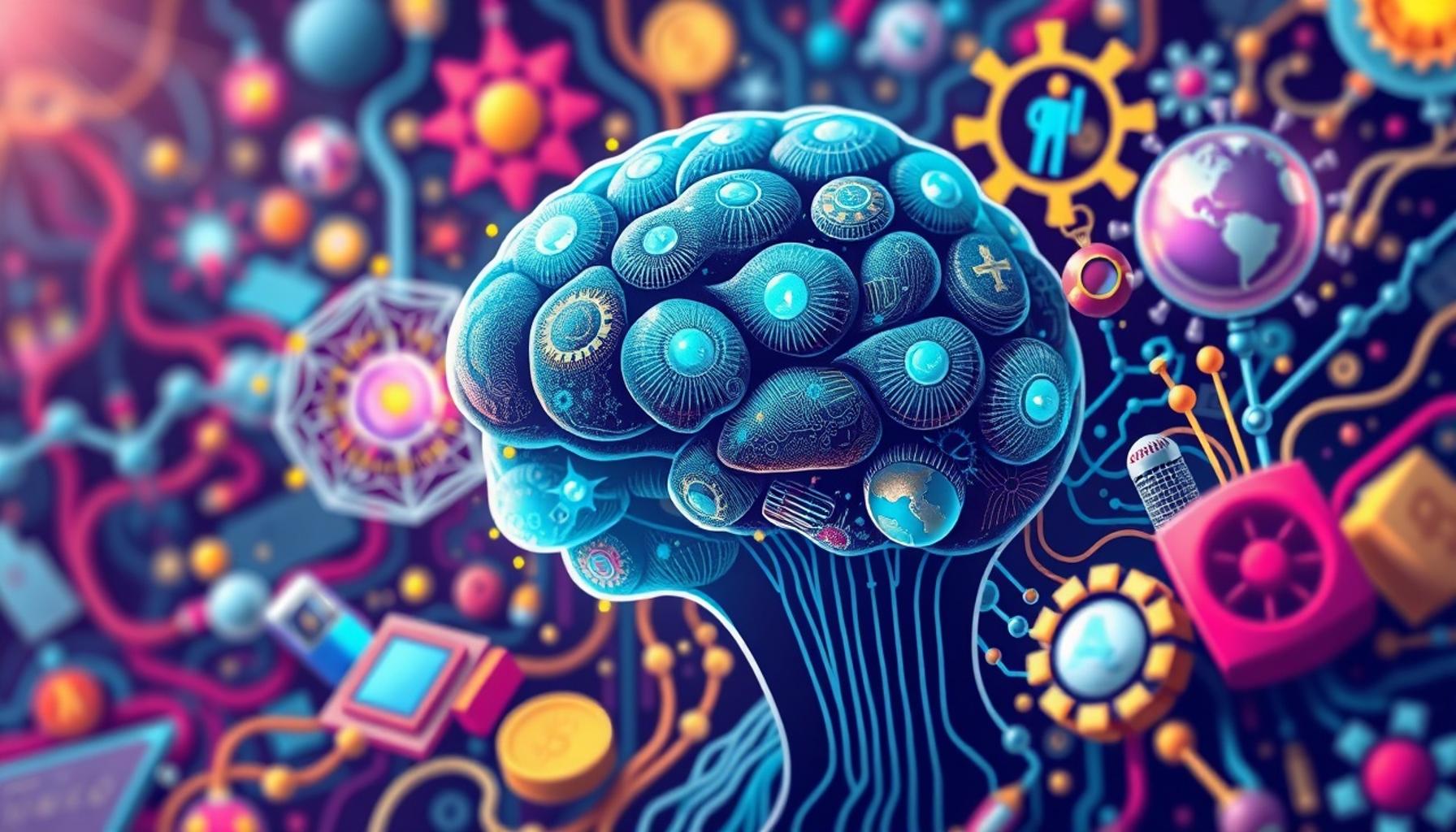
Smart Cities: Technological Innovations for Urban Sustainability
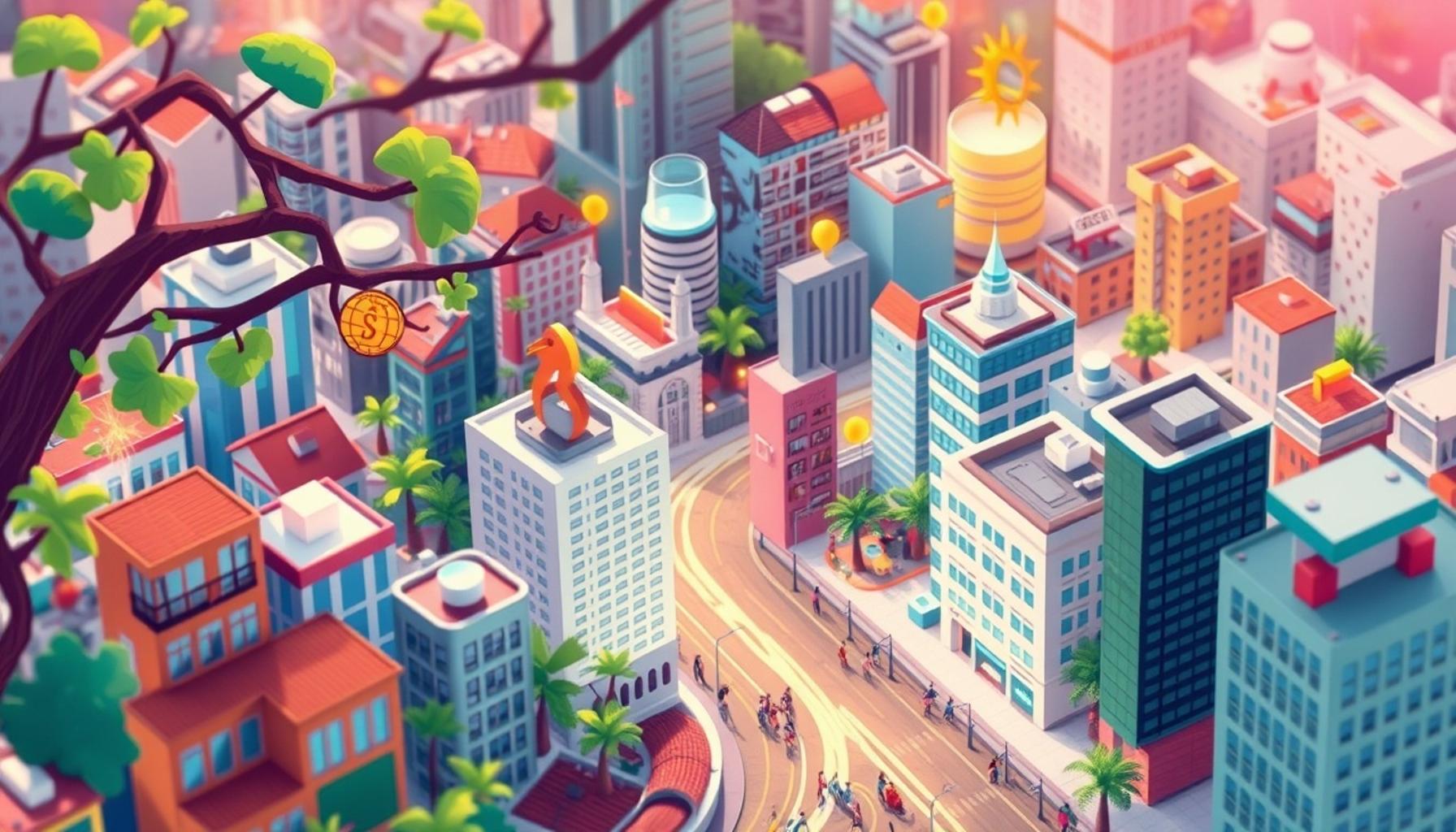
Understanding Smart Cities
Urbanization is a defining phenomenon of the 21st century, with over half of the world’s population now living in cities. This rapid growth has led to numerous challenges, including traffic congestion, pollution, and resource management. Smart cities, characterized by technological innovations and sustainable practices, aim to address these challenges head-on. By integrating advanced technologies into urban planning and infrastructure, cities can enhance the quality of life for their residents while promoting an eco-friendly approach to urban living.
Key Features of Smart Cities
Smart cities incorporate a range of features designed to optimize resources and improve the overall urban experience. Some prominent features include:
- Intelligent Transportation Systems: These systems utilize real-time data analytics to enhance traffic flow and reduce congestion. In cities like Los Angeles, adaptive traffic signals adjust their timings based on current traffic conditions, significantly improving commute times and decreasing fuel consumption.
- Renewable Energy Sources: Many smart cities are turning to renewable energy sources like solar and wind power. For example, San Diego has implemented solar energy projects throughout the city, which not only lessen the dependence on fossil fuels but also lower energy bills for residents.
- Smart Waste Management: This feature leverages Internet of Things (IoT) technology to place sensors in waste bins, notifying the city when they are full. This data enables municipalities to optimize collection routes and schedules, thereby reducing operational costs. Barcelona uses this technology effectively, leading to significant reductions in waste management expenses.
- Efficient Water Management: Cities like Philadelphia are employing smart water management systems that utilize IoT devices to monitor water usage and detect leaks. This not only conserves precious water resources but also lowers utility costs for consumers.
The Impact of Smart Technologies
These innovations pave the way for improved urban sustainability. By minimizing energy consumption and waste, smart cities enhance the daily lives of their residents. Sustainable urban planning has far-reaching benefits, including cleaner air and a healthier environment.
For instance, Amsterdam, renowned for its bike-friendly infrastructure, takes full advantage of smart technology by integrating bike-sharing systems with mobile apps, allowing residents to navigate easily while reducing vehicle emissions. This kind of planning highlights how urban landscapes can change with a focus on sustainability.
Conclusion
As we have seen, the rise of smart cities is more than just a buzzword; it is a necessary evolution in urban living. By embracing technological advancements, cities can tackle pressing issues while creating more sustainable and livable environments. Understanding the components of smart cities empowers us to appreciate their contributions to a greener future. As urban areas continue to grow, the implementation of smart technologies will play a crucial role in shaping how we interact with our surroundings and with each other, thereby fostering a sense of community and interconnectedness.
LEARN MORE: Click here to delve into cybersecurity and data privacy solutions
Innovative Technologies Shaping Smart Cities
At the heart of the smart city concept lies a multitude of technological innovations that transform urban living into a seamless, efficient experience. By incorporating cutting-edge technologies, cities can tackle critical issues ranging from energy consumption to waste management, enhancing both sustainability and livability. Below, we delve into some of the revolutionary technologies powering smart cities and their contributions to urban sustainability.
Data-Driven Decision Making
One of the most powerful tools in a smart city’s arsenal is data analytics. Cities like Chicago are investing in data collection and analytics to enhance city services, manage resources, and respond to challenges more effectively. Leveraging data from sensors, cameras, and social media, city officials can identify patterns and trends to optimize urban planning and resource allocation. This capability allows for quick responses to problems, such as identifying areas of excessive pollution or high traffic congestion.
Smart Grids and Energy Management
Energy efficiency is a cornerstone of sustainable urban living. Smart grids are redefining how cities manage energy consumption. With the integration of technologies such as smart meters, which provide real-time information on energy use, citizens can monitor and adjust their consumption habits. For instance, cities like San Francisco have implemented smart grid systems that not only facilitate energy management but also empower residents to actively participate in reducing overall energy demand through incentives and pricing strategies.
Green Building Technologies
Buildings are significant contributors to urban energy use and carbon emissions. The rise of smart buildings has transformed traditional architectural practices. By employing green building technologies like energy-efficient HVAC systems, smart windows, and sustainable materials, cities are paving the way for reduced environmental impact. For example, the Bullitt Center in Seattle, often referred to as the greenest commercial building in the world, showcases how integrating these technologies can produce as much energy as it consumes, serving as an inspiring model for future urban developments.
Community Engagement and Citizen Participation
Smart cities are not just about technology; they also prioritize community engagement. Platforms that facilitate citizen feedback, information sharing, and collaboration are crucial for fostering strong community ties. Mobile apps and online platforms, such as Nextdoor, enable residents to share their concerns, report issues, and participate in decision-making processes. This democratic approach to urban planning ensures that the needs and preferences of residents are heard, leading to more effective and sustainable solutions.
In summary, the integration of these innovative technologies lays the foundation for smart cities. Each feature—from data-driven decision-making to community engagement—plays a pivotal role in fostering an urban environment that is both sustainable and responsive to the needs of its citizens. As cities continue to evolve, embracing these technological advancements will be essential for ensuring a greener and more connected future.
DON’T MISS OUT: Click here to find out how
Smart Mobility and Transportation
Efficient transportation is vital for reducing congestion and pollution in urban areas. Smart cities are utilizing technological advancements in mobility solutions to create more sustainable transportation systems. Public transportation systems are being integrated with real-time data, allowing commuters to receive accurate information on bus and train schedules through mobile applications. For instance, cities like Los Angeles have adopted real-time tracking systems that not only help residents plan their journeys more effectively but also optimize routes, reducing travel times and emissions.
Electric and Autonomous Vehicles
The rise of electric vehicles (EVs) is another game-changer for urban sustainability. To support this transition, cities are investing in EV charging infrastructure, making it easier for residents to choose electric options for their daily commutes. Furthermore, the implementation of autonomous vehicles can alleviate traffic congestion while enhancing safety. Companies like Waymo are testing self-driving technology in urban settings, which could potentially reduce the number of vehicles on the road, thereby decreasing greenhouse gas emissions.
Smart Waste Management
Waste management is a significant challenge for urban environments. Smart cities are addressing this issue with smart waste management systems that utilize sensors to monitor waste levels in bins. By analyzing this data, municipalities can optimize waste collection routes and schedules, reducing fuel consumption and costs. For example, the city of Barcelona has implemented a smart waste collection system that responds to changing waste levels, ensuring that resources are allocated efficiently, while also improving cleanliness and public health.
Water Conservation Technologies
Water resources are under increasing pressure due to urbanization. Smart cities are implementing water conservation technologies to ensure a more sustainable approach to water management. Advanced monitoring systems that detect leaks in real-time help to minimize water loss. Additionally, smart irrigation systems used in urban landscaping ensure that parks and green spaces receive the necessary amount of water without overconsumption. For instance, Singapore has introduced a comprehensive rainwater harvesting system that maximizes the use of this precious resource for irrigation and other non-potable uses.
Digital Twin Technology
One of the most exciting advancements in urban planning is the concept of digital twins. This technology creates a virtual representation of a physical city, enabling urban planners to simulate urban environments and analyze the potential impact of various changes before implementing them. For instance, the city of Dubai is utilizing digital twins to test the outcomes of infrastructure projects, leading to more informed and sustainable planning decisions.
As smart cities continue to develop, the integration of these innovative technologies will not only promote urban sustainability but also enhance the quality of life for residents. From smart mobility to advanced water management, these initiatives exemplify how technology can foster environmentally friendly practices while accommodating the needs of growing urban populations.
DON’T MISS OUT: Click here to discover how to earn free clothes on Shein!
Conclusion
In the age of rapid urbanization, the concept of smart cities emerges as a beacon of hope for sustainability and improved quality of life. By leveraging technological innovations in areas such as transportation, waste management, water conservation, and urban planning, cities can address the pressing challenges posed by growing populations and environmental concerns. The integration of smart mobility solutions not only reduces congestion but also promotes greener transport alternatives through electric and autonomous vehicles.
Furthermore, advancements in smart waste management systems ensure that cities efficiently allocate resources while keeping public spaces clean and healthy. Similarly, technology-driven initiatives for water conservation spotlight the importance of sustainable practices in managing this vital resource. The use of digital twin technology empowers urban planners to simulate scenarios and make informed decisions for future developments.
As we envision cities that are not only livable but also environmentally responsible, the potential for smart cities to significantly contribute to urban sustainability becomes increasingly clear. As communities around the world embrace these innovations, public engagement and collaboration will be essential in crafting resilient urban ecosystems. Looking ahead, it is imperative that cities continue to harness technology not just for efficiency, but for the development of a sustainable, equitable, and vibrant urban future for all. Together, we can transform our cities into smart, sustainable havens that meet the challenges of tomorrow.

Linda Carter
Linda Carter is a writer and expert known for producing clear, engaging, and easy-to-understand content. With solid experience guiding people in achieving their goals, she shares valuable insights and practical guidance. Her mission is to support readers in making informed choices and achieving significant progress.