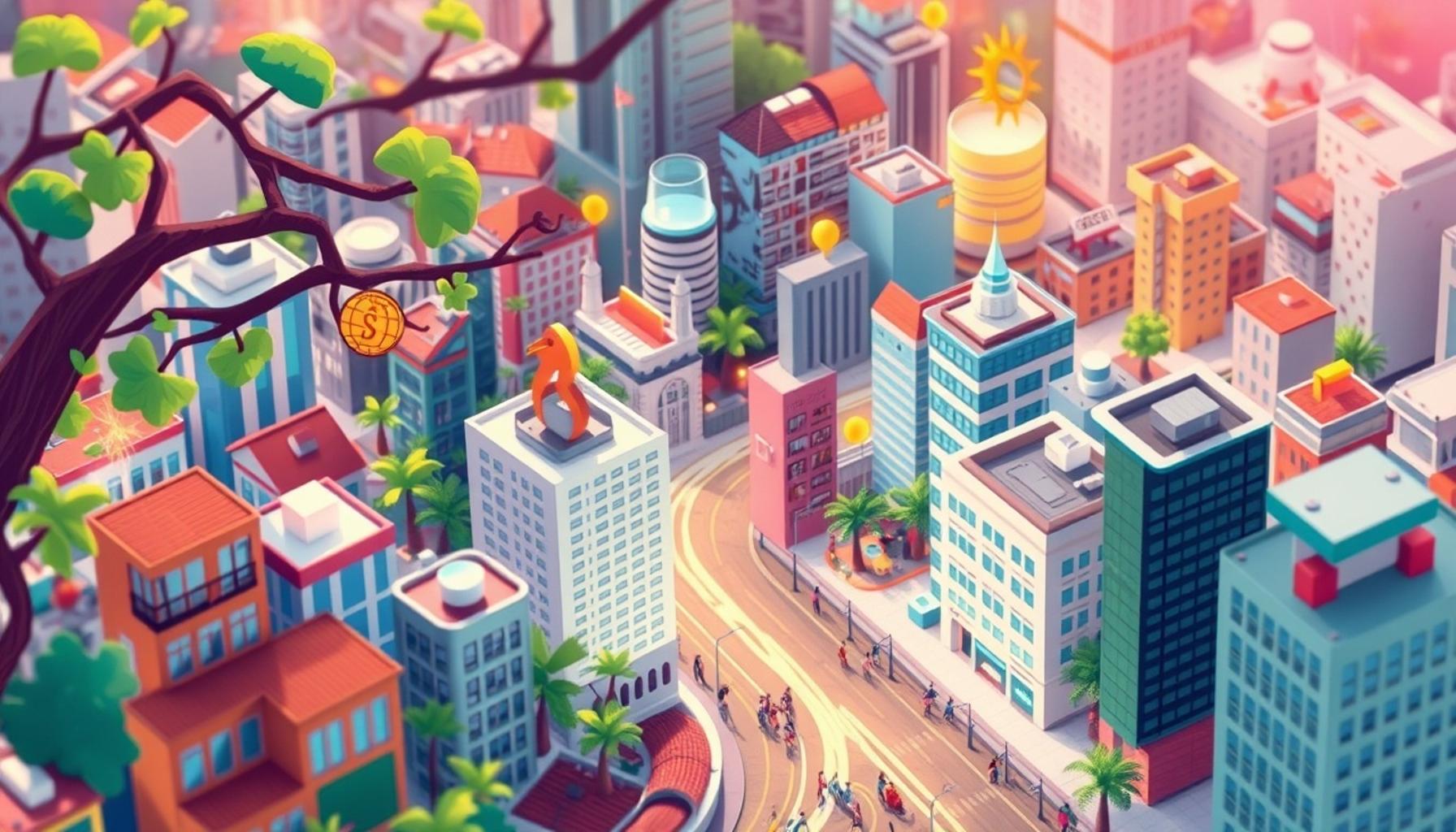
Green Technology: Sustainable Innovations and the Future of Cities

The Rise of Green Technology
As the global community becomes increasingly aware of the critical implications of climate change, the evolution of green technology has emerged as a vital part of urban development strategies. The pressing need to limit greenhouse gas emissions and create sustainable living environments has led many cities across the United States to invest in solutions that protect our planet while enhancing the quality of urban life.
Understanding Green Technology
Green technology refers to a wide array of sustainable and environmentally friendly practices aimed at conserving natural resources and reducing pollution. By leveraging advanced techniques and innovative products, cities are able to transition towards a more sustainable future. Key areas of focus include:
- Renewable Energy Sources: This includes the adoption of solar panels, wind turbines, and hydroelectric systems to generate energy without depleting finite resources. For example, states like California have made significant strides in solar energy, with many households now relying on solar panels for their electricity needs, resulting in reduced utility bills and lower carbon footprints.
- Smart Transportation: The rise of electric vehicles (EVs) represents a transformative shift in how people commute. Cities such as Seattle and Austin are investing in extensive EV infrastructure, including charging stations and incentives for residents to switch from fossil fuel-powered cars to electric options. Furthermore, public transportation is being upgraded with electric buses, which not only reduce emissions but also provide healthier air for urban dwellers.
- Waste Management Innovations: Creative recycling programs and composting initiatives are being implemented to decrease landfill waste. For instance, cities like San Francisco have set ambitious goals that include zero waste by 2030, promoting composting and recycling behaviors among residents. This includes providing tutorials and necessary equipment to help households participate more effectively.
Economic Benefits of Sustainable Innovations
The impact of green technology extends beyond environmental benefits; it also plays a crucial role in fostering economic growth and creating job opportunities. For example, the solar energy sector alone has seen job creation surge as more companies enter this market. In regions like the Midwest, workforce training programs have been established to equip residents with skills needed in renewable energy fields, further contributing to local economies.
Looking Ahead
As we move into the future, the integration of sustainable innovations will be pivotal in addressing urban challenges. Cities that commit to adopting green technologies not only improve their environmental footprint but also enhance the well-being of their residents. It is through these collective efforts that we can aspire to build cities that are not only livable but thriving in harmony with nature.
In conclusion, the journey towards a sustainable lifestyle is ongoing, and each advancement in technology brings us closer to the greener future we seek. The responsibility lies within us to embrace these innovations, support policy changes, and foster a culture of sustainability in our urban centers. The future of our cities depends on it.
DIVE DEEPER: Click here to discover how AR and VR are transforming education</p
Innovations Driving Change
The journey towards a sustainable future in urban environments is increasingly powered by innovative technologies that aim to reduce our impact on the planet. Urban areas, which account for a significant portion of global greenhouse gas emissions, are harnessing green technologies to combat climate change and create healthier living conditions. By embracing these innovative approaches, cities are transforming their landscapes, improving air quality, and promoting overall well-being.
The Role of Renewable Energy
One of the central pillars of green technology is the development and integration of renewable energy sources. By shifting away from fossil fuels, cities can significantly decrease their carbon emissions. A few notable advancements in renewable energy include:
- Solar Energy: The proliferation of solar panels on rooftops and solar farms is becoming common in cities like Los Angeles and New York City. These installations help residents and businesses alike reduce their reliance on traditional power sources, cutting down utility costs and benefiting the environment simultaneously.
- Wind Energy: Coastal cities, such as Chicago and Portland, are exploring wind farms as a complementary energy solution. These wind turbines harness natural wind patterns to generate electricity, offering a reliable energy source that contributes to local grids.
- Geothermal Systems: Some cities are tapping into the earth’s internal heat through geothermal energy. Places like Reno, Nevada, are utilizing geothermal heat pumps to regulate building temperatures efficiently, showcasing a sustainable alternative to traditional heating and cooling methods.
Smart Waste Management Systems
Innovations in waste management are another critical aspect of sustainable urban development. By adopting smart technologies, cities can better manage their waste streams and promote recycling initiatives. Advanced solutions such as:
- Automated Recycling Bins: Cities like San Jose have introduced smart recycling bins equipped with sensors to monitor waste levels. These bins communicate with collection services, optimizing routes and schedules, ultimately reducing fuel consumption and emissions.
- Waste-to-Energy Technologies: Some municipalities are turning waste into energy. Through processes like anaerobic digestion, organic waste can be converted into biogas, which provides a renewable source of energy used for heating or electricity generation.
- Community Composting Programs: Participatory initiatives in cities like Portland encourage residents to compost their organic waste. These programs reduce landfill waste while educating citizens about the benefits of composting and its role in closing the nutrient loop.
By fostering a culture of innovation and encouraging responsible waste management, cities can bolster their sustainability efforts while simultaneously enhancing community engagement. The interplay between these green technologies not only provides environmental and economic benefits but also fosters a sense of collective responsibility in the journey toward sustainable urban living.
DIVE DEEPER: Click here to uncover the future of finance
Green Transportation Solutions
As urban populations continue to grow, transportation remains a significant challenge for sustainability. Cities are increasingly adopting green transportation solutions to reduce traffic congestion, lower emissions, and improve public health. Innovative approaches to transportation not only contribute to sustainability but also enhance the overall quality of urban life.
Electric and Autonomous Vehicles
The rise of electric vehicles (EVs) is transforming urban mobility. With advancements in battery technology, cities are seeing a notable increase in EV adoption. For example, cities like San Francisco and Seattle are expanding their networks of electric car charging stations, making it more convenient for residents to switch from gas-powered vehicles. This transition is crucial as it helps decrease harmful emissions and dependence on fossil fuels.
Moreover, the development of autonomous vehicles has the potential to reshape urban transportation further. Companies like Waymo and Tesla are conducting trials in cities, showcasing how self-driving technology can optimize traffic flow, reduce accidents, and enhance accessibility for all. As these technologies mature, they can help create less congested and more livable urban spaces.
Public Transit Innovations
Enhancing public transportation is another key component of sustainable urban development. Cities are investing in smart public transit systems that integrate technology to improve efficiency and accessibility. Noteworthy advancements include:
- Real-time Tracking Apps: Cities like Chicago have implemented apps that provide real-time information about bus and train arrivals. This transparency encourages public transit use, reducing the number of single-occupancy vehicles on the road and subsequently lowering emissions.
- Electric Buses: Urban areas such as Los Angeles and New York City are adopting electric buses for public transit systems. These buses have lower operational costs and help improve air quality in busy city centers, marking a step toward a zero-emission fleet.
- Integrated Mobility Solutions: Many cities are developing platforms that connect various transportation modes, such as bike-sharing programs, ride-hailing services, and public transit. This integrated approach makes it easier for residents to choose sustainable options, encouraging a shift away from car dependency.
Bicycle and Pedestrian Infrastructure
Improving infrastructure for bicycles and pedestrians is essential for fostering a more sustainable urban environment. Many cities are investing in dedicated bike lanes, pedestrian zones, and improved sidewalks, making it safer and more appealing for residents to walk or cycle. Cities like Minneapolis have seen significant increases in cycling rates attributed to these investments, leading to reduced traffic congestion and healthier lifestyles.
Moreover, bike-sharing programs, such as Capital Bikeshare in Washington D.C., offer flexible and affordable transportation alternatives. Rather than relying solely on personal vehicles, urban cyclists contribute to reduced emissions while promoting physical activity and reducing reliance on fossil fuel-dependent transportation.
By implementing these green transportation solutions, cities are not only addressing climate challenges but also fostering a culture of eco-friendly commuting. As communities collectively embrace these technologies, they lay the groundwork for a sustainable and resilient urban future.
DISCOVER MORE: Click here for insights on the latest cybersecurity standards
Conclusion
As we look toward the future, the integration of green technology is not just an option but a necessity for sustainable urban development. The challenges posed by climate change, rapid urbanization, and resource depletion can be met with innovative solutions that prioritize environmental health and enhance the quality of life for urban residents. Technologies such as renewable energy systems, smart waste management, and green transportation are paving the way for cities to evolve into sustainable, resilient ecosystems.
Collaboration among governments, private sector players, and communities is vital in driving the momentum for these initiatives. By investing in energy-efficient infrastructure and promoting the use of electric and autonomous vehicles, cities can significantly reduce their carbon footprints while improving public health and mobility. Public awareness and engagement in these initiatives are equally important, as informed citizens are crucial allies in championing sustainable practices in their daily lives.
In conclusion, the future of our cities hinges on adopting and promoting green technologies. By embracing these sustainable innovations, we can create urban spaces that not only thrive today but are also resilient and adaptable for generations to come. As we collectively shift towards greener living, we lay the groundwork for vibrant, healthy, and sustainable communities that prioritize the well-being of both people and the planet.

Linda Carter
Linda Carter is a writer and expert known for producing clear, engaging, and easy-to-understand content. With solid experience guiding people in achieving their goals, she shares valuable insights and practical guidance. Her mission is to support readers in making informed choices and achieving significant progress.