
The Future of Work: Trends in Automation and Remote Collaboration
Understanding Automation in the Workplace
Automation is fundamentally changing how tasks are performed in various industries. By utilizing advanced technologies, businesses can achieve significant advancements in their operational capabilities.
Process efficiency is perhaps the most tangible benefit of automation. For example, in manufacturing, robotic assembly lines can complete tasks faster and with greater precision than human workers. This rapid processing allows companies like Tesla and Ford to meet production demands and maintain high-quality standards.
Data analysis capabilities have also improved dramatically. Automated systems can sift through large datasets in mere seconds. For example, companies like Amazon use automated tools to analyze customer purchase histories and browsing behaviors, enabling them to create personalized shopping experiences and targeted marketing campaigns. This level of insight can lead to increased sales and enhanced customer satisfaction.
Furthermore, the cost reduction associated with automation cannot be overlooked. By diminishing the reliance on manual labor, organizations can redirect their resources towards innovation and growth initiatives. For instance, McDonald’s has invested heavily in self-service kiosks which not only reduce labor costs but also shorten wait times for customers, leading to improved service efficiency.
The Shift Towards Remote Collaboration
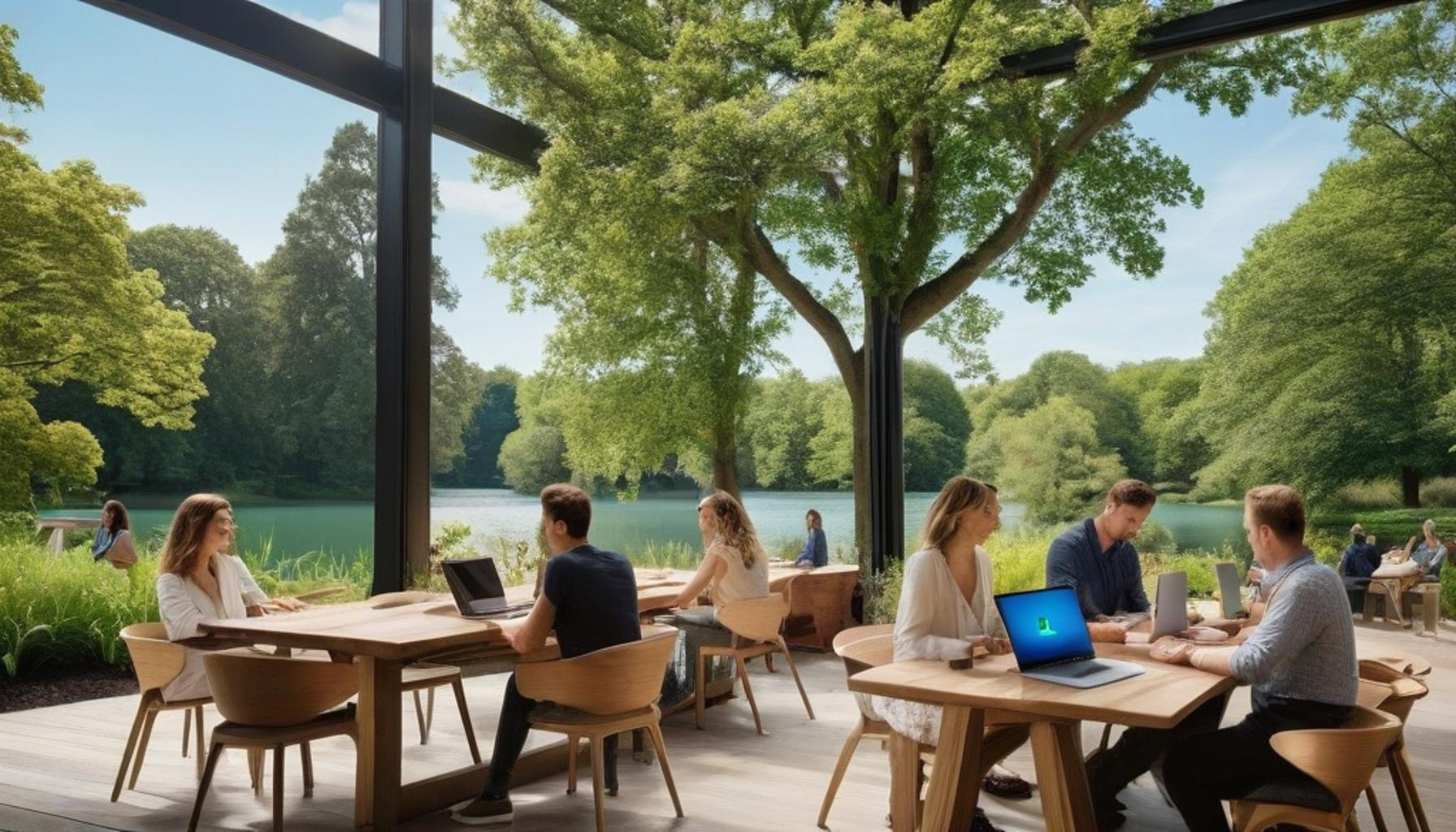
Remote collaboration is revolutionizing traditional workplace dynamics. Today’s employees increasingly seek flexible work arrangements, which allows them to manage their time more effectively and achieve a better work-life balance.
Flexibility is a key factor that enhances employee satisfaction. For instance, companies like GitLab operate exclusively remotely, proving that productivity can thrive outside traditional office environments. This flexibility empowers employees to work when they are most productive, often resulting in enhanced outcomes.
The shift to remote collaboration also expands a company’s access to talent. Previously, organizations were limited to hiring local talent; now, they can recruit the best minds from around the world. For instance, tech firms such as Shopify and Zapier have capitalized on this trend by building diverse teams with varied skill sets and perspectives, ultimately fostering innovation.
Equipping teams with the right technology integration is essential to support remote collaboration. Tools such as Zoom for video conferencing and Trello for project management streamline communication and keep projects organized. By investing in these technologies, organizations can ensure that remote teams collaborate effectively and maintain productivity.
Embracing Change for Future Success
In conclusion, the landscape of the workplace is changing rapidly, and organizations must adapt to survive and thrive. Businesses should develop a clear strategy to implement automation and harness the power of remote collaboration. This involves identifying the right technologies to invest in and training employees to utilize these resources efficiently.
By taking a proactive approach to embrace these trends, companies can create a competitive edge that positions them for success in the evolving job market. Organizations that fail to adapt risk being left behind as the marketplace continues to evolve.
DIVE DEEPER: Click here to discover more
Automation’s Impact on Workforce Dynamics
As automation continues to reshape the workplace, organizations must understand how to leverage its advantages effectively. Here are some key areas where automation can drive significant improvements in workflow:
- Task Automation: Automating repetitive tasks can drastically reduce time spent on mundane activities. Tools like UiPath and Zapier allow businesses to create workflows that automate tasks such as data entry or email responses, freeing up employee time for more strategic initiatives.
- Enhanced Decision-Making: With automation streamlining data collection, organizations can make more informed decisions faster. Using predictive analytics tools, companies can analyze trends and forecast future demands, allowing for proactive strategies in resource management.
- Improved Customer Engagement: Automation also plays a critical role in customer service. Chatbots powered by AI, such as those used by companies like Facebook and WhatsApp, can handle customer inquiries 24/7, providing immediate responses and increasing customer satisfaction.
- Scalability: As businesses grow, automation solutions can scale up quickly without requiring significant additional resources. This flexibility is essential for startups and established companies alike, ensuring they can meet increasing demands without compromising quality or speed.
However, alongside implementation, it is essential for businesses to actively address concerns regarding shifts in labor dynamics. Employees may feel threatened by automation, fearing job displacement. To effectively integrate automation, companies must:
- Communicate transparently: Maintain open lines of communication with employees about the changes and the benefits of automation, addressing any fears or concerns about job security.
- Invest in training: Offer training programs to employees to help them adapt to new automated systems and develop skills for more advanced roles. This will increase employee confidence and satisfaction.
- Encourage a culture of innovation: Foster an environment where employees feel empowered to contribute their insights on automation and see it as a tool for enhancing productivity, not as a threat.
Understanding these dynamics is crucial for organizations looking to embrace automation responsibly. As companies navigate this transition, they must focus not only on technology adoption but also on the human element, ensuring a collaborative approach that enhances workplace morale and productivity.
Technologies Driving Remote Collaboration
In conjunction with automation, remote collaboration technologies are essential for modern workplace dynamics. As businesses move toward more flexible work arrangements, implementing the right tools becomes pivotal in maintaining team cohesion and productivity.
Effective remote collaboration relies on a combination of seamless communication, project management, and document sharing capabilities. Consider the following tools:
- Slack: This messaging platform enhances team communication with channels for different projects and topics, making information easily accessible.
- Trello: A project management tool that helps teams organize tasks visually, allowing for better tracking of progress and deadlines.
- Google Workspace: Offers a suite of applications for document sharing and collaboration, enabling real-time editing and feedback from team members.
- Microsoft Teams: Besides messaging, this platform integrates with Office 365, providing comprehensive tools for video conferencing and file sharing.
Adopting these technologies enhances the flexibility that remote work provides while ensuring that teams remain connected and productive. Businesses that prioritize the right tools will position themselves to not only adapt to the new normal but to thrive in it.
DIVE DEEPER: Click here to discover how AR is changing retail
Adapting to a Hybrid Work Environment
The shift towards remote collaboration has ushered in a new hybrid work model that combines remote flexibility with traditional in-office engagement. As organizations adopt these changes, understanding how to effectively manage a hybrid workforce is essential. Here are some strategies to create a balanced work environment:
- Establish Clear Policies: Organizations must develop clear policies regarding remote work expectations, communication protocols, and performance metrics. This ensures all employees, whether remote or in-office, are on the same page regarding their roles and responsibilities.
- Utilize Hybrid Collaboration Tools: Invest in tools designed for hybrid environments. Platforms like Miro or MURAL enable interactive brainstorming sessions and collaborative activities, bridging the gap between remote and in-office employees.
- Schedule Regular Check-Ins: Regular team meetings can enhance cohesion amongst hybrid teams. Use video conferencing tools like Zoom or Google Meet to foster connection and engagement, ensuring everyone feels included regardless of their location.
- Encourage Regular Feedback: Implement a feedback loop where employees can share input about their hybrid work experiences. Use tools like SurveyMonkey for anonymous feedback to address concerns and continuously improve workplace dynamics.
With a balanced work model, businesses can tap into the benefits of both remote and in-person interactions, fostering a productive and engaged workforce.
Skills for the Future Workforce
As automation and remote collaboration evolve, the demand for new skills has emerged. Organizations must prioritize skill development to prepare their workforce for the future. Focus on the following essential skills:
- Digital Literacy: Ensure that employees are comfortable with technology and automation tools. Consider offering training sessions and workshops on software programs relevant to your industry to boost digital skills.
- Adaptability: Encourage a culture of adaptability by identifying individuals who thrive in changing environments. Consider mentorship programs that promote learning and growth, enabling employees to adjust quickly to new systems or procedures.
- Collaboration Skills: Foster strong collaborative skills among your team members. Encourage effective communication and teamwork through virtual team-building exercises to strengthen interpersonal relationships.
- Critical Thinking: Train employees to think critically about challenges related to automation and remote work. Implement case studies and problem-solving workshops to enhance analytical skills.
Equipping your workforce with these skills not only enhances productivity but also improves overall job satisfaction, ensuring your organization remains competitive in an evolving market.
The Role of Leadership in Transitioning
Leadership plays a crucial role in navigating the changes brought by automation and remote collaboration. Leaders need to be proactive in fostering an inclusive and supportive work culture. Implement these leadership strategies:
- Promote Transparency: Maintain open lines of communication about organizational changes. Regularly share updates on company goals, automation processes, and how changes impact employee roles.
- Model Flexibility: Leaders should demonstrate flexibility in their work schedules and be open to remote work themselves. This sets the tone for a culture that values work-life balance.
- Recognize and Reward Innovation: Acknowledge employees who embrace new technologies or suggest improvements in automation and remote collaboration practices. Recognition fosters motivation and drives engagement.
- Provide Emotional Support: Offer resources for mental health support, such as counseling services, to help employees manage the stress that can arise from transitioning to a hybrid work model.
By embracing these leadership strategies, companies can build a resilient workforce capable of thriving amidst ongoing changes in the workplace landscape.
DISCOVER MORE: Click here to learn how to shop at Shein
Conclusion
The modern workplace is undergoing significant changes, necessitating a proactive approach from organizations to ensure they remain competitive. To excel in this environment, companies must adapt to hybrid work models. This entails creating comprehensive policies that define work expectations, right down to telecommuting protocols, ensuring everyone understands their roles regardless of location.
Effective collaboration tools are essential in this hybrid setup. Organizations should consider investing in platforms such as Slack, Microsoft Teams, or Zoom, which facilitate seamless communication and project management. These tools not only help in connecting remote employees but also enhance teamwork and productivity by allowing real-time collaboration on tasks. Regular updates and check-ins via these platforms can keep everyone aligned and engaged, making remote work just as effective as in-office collaboration.
Furthermore, the need for ongoing skill development cannot be overstated. Companies should prioritize digital literacy, adaptability, collaboration skills, and critical thinking among their workforce. Offering access to online courses, webinars, and workshops can empower employees to enhance their skill sets. For example, platforms like Coursera or LinkedIn Learning provide courses tailored to developing these crucial competencies. This investment not only motivates employees but also ensures they stay relevant in an ever-evolving job market.
Leadership plays a key role in navigating this transition. By promoting transparency in communications, leaders foster trust and clarity within teams. Modeling flexibility by allowing adjustable working hours or remote schedules can significantly improve employee morale. Recognizing innovation within teams, through awards or acknowledgment in meetings, encourages a culture of creativity and problem-solving. Additionally, providing emotional support through regular one-on-one check-ins can alleviate stress and lead to a more resilient workforce.
As the future of work unfolds, the integration of technology alongside a strong emphasis on collaboration will be instrumental in determining an organization’s success. By taking decisive actions today—such as refining work policies, investing in technology, and focusing on team development—companies can not only mitigate challenges but also capitalize on the opportunities presented in this dynamic landscape.

Linda Carter
Linda Carter is a writer and expert known for producing clear, engaging, and easy-to-understand content. With solid experience guiding people in achieving their goals, she shares valuable insights and practical guidance. Her mission is to support readers in making informed choices and achieving significant progress.