How to Create an Effective Content Calendar for Email Campaigns
Understanding the Mechanics Behind Successful Email Campaigns
Email marketing is not just a relic of the past; it is a powerful avenue for fostering customer connections and driving sales. To harness its full potential, businesses must prioritize careful planning and implementation. A strategic approach often begins with the development of a content calendar, which serves as the backbone of successful email campaigns.
Developing a content calendar is multi-faceted and requires focusing on several key elements that can significantly enhance your email marketing efforts. Here are some essential components worth considering:
- Audience Segmentation: Understanding your audience is paramount. By categorizing your recipients based on demographics, interests, or past behaviors, you can deliver tailored content that resonates with each segment. For example, if your business offers home décor, targeting customers who have shown interest in Filipino traditional designs can improve engagement and conversion rates.
- Campaign Goals: Every email should have a well-defined objective. Whether it’s to announce a new product, promote a sale, or share valuable information, a clear goal allows you to create compelling content that aligns with your audience’s expectations. Set specific, measurable targets for success evaluation.
- Content Themes: Consistency in themes not only keeps your audience engaged but also builds familiarity with your brand. Consider relevant topics that resonate within the local context, such as aligning your campaign with the upcoming Sinulog Festival in Cebu or highlighting Valentine’s Day promotions that celebrate Filipino customs.
- Frequency and Timing: The timing and frequency of your emails can make or break a campaign. Analyze data to determine when your audience is most likely to open and act on emails. For instance, sending newsletters on a Wednesday morning might yield better open rates compared to Friday evening, especially in a work-centric culture.
A well-structured content calendar not only simplifies your email strategy but also promotes consistency in your brand’s voice. By giving you a comprehensive view of your email initiatives, it enables you to maintain a cohesive narrative across different campaigns and touchpoints.
Moreover, a content calendar is invaluable for tracking significant dates and events, particularly in the vibrant Filipino market, where various local festivities significantly influence consumer behavior. Special promotions around occasions such as Pahiyas Festival or the Christmas season can help your messages resonate more deeply and encourage higher engagement.
In the upcoming sections, we will delve into practical methodologies for creating an effective content calendar tailored to your business needs and customer preferences. This guide promises to be your stepping stone toward mastering the fine art of crafting engaging email campaigns that not only capture attention but also drive action.
CHECK OUT: Click here to explore more
Essential Steps to Crafting Your Email Content Calendar
Creating an effective content calendar for email campaigns is not merely about filling in dates on a planner; it is a strategic exercise that can drive engagement and conversions. To set the foundation for a successful email marketing strategy, it’s imperative to establish clear steps that guide the planning process. Below, we delve into crucial stages that should inform your content calendar, ensuring that every email sent out is well-thought-out and impactful.
1. Define Your Editorial Schedule: Begin by establishing a clear timeline for your email campaigns. Determine how often you wish to send emails and sketch a rough outline of topics for each month. A consistent timeline fosters audience expectations and paves the way for better engagement rates. For instance, if you plan to promote local events or festivals, consider aligning your content calendar with significant dates in the Philippine calendar, such as the Feast of the Black Nazarene or Independence Day.
2. Brainstorm Content Ideas: Once you have a timeline in place, it’s time to brainstorm creative content ideas. Gather insights from various sources, including popular trends, customer feedback, or seasonal themes. Utilize a mix of content types, such as promotional messages, newsletters, and educational content, ensuring there’s variety in your emails. It’s also crucial to include culturally relevant content that resonates with your audience, such as tips for traditional Filipino recipes during the holiday season.
3. Utilize a Collaboration Tool: A collaborative approach can be beneficial in managing your content calendar. Employ tools like Trello, Asana, or Google Sheets to organize ideas and provide visibility to team members involved in the email campaign creation. This ensures that every person on your team understands their role and deadlines, leading to a more efficient production process. Setting reminders for key dates will help your team stay on track.
Monitoring and Evaluating Performance
As you execute your email campaigns, it is vital to monitor the performance of your content regularly. Analyzing metrics such as open rates, click-through rates, and conversion rates will give you valuable insights into how your audience engages with the content. In doing so, you can adjust your content calendar based on what works best. Perhaps email content focused on local charity events sees higher engagement, leading you to incorporate similar themes in future campaigns.
In addition, consider A/B testing approaches for subject lines, images, and call-to-action buttons. By experimenting with different styles, you will better understand your audience’s preferences and can tailor your future campaigns accordingly. Feedback from these evaluations will therefore inform updates to your content calendar, ensuring it remains a living document that evolves with your audience needs and market trends.
By systematically employing these steps and continuously refining your approach, you can develop a powerful content calendar that serves as a roadmap for your email marketing strategy. In the next section, we will explore specific tools and templates you can leverage to simplify this process even further, paving the way for email campaigns that are impactful and engaging.
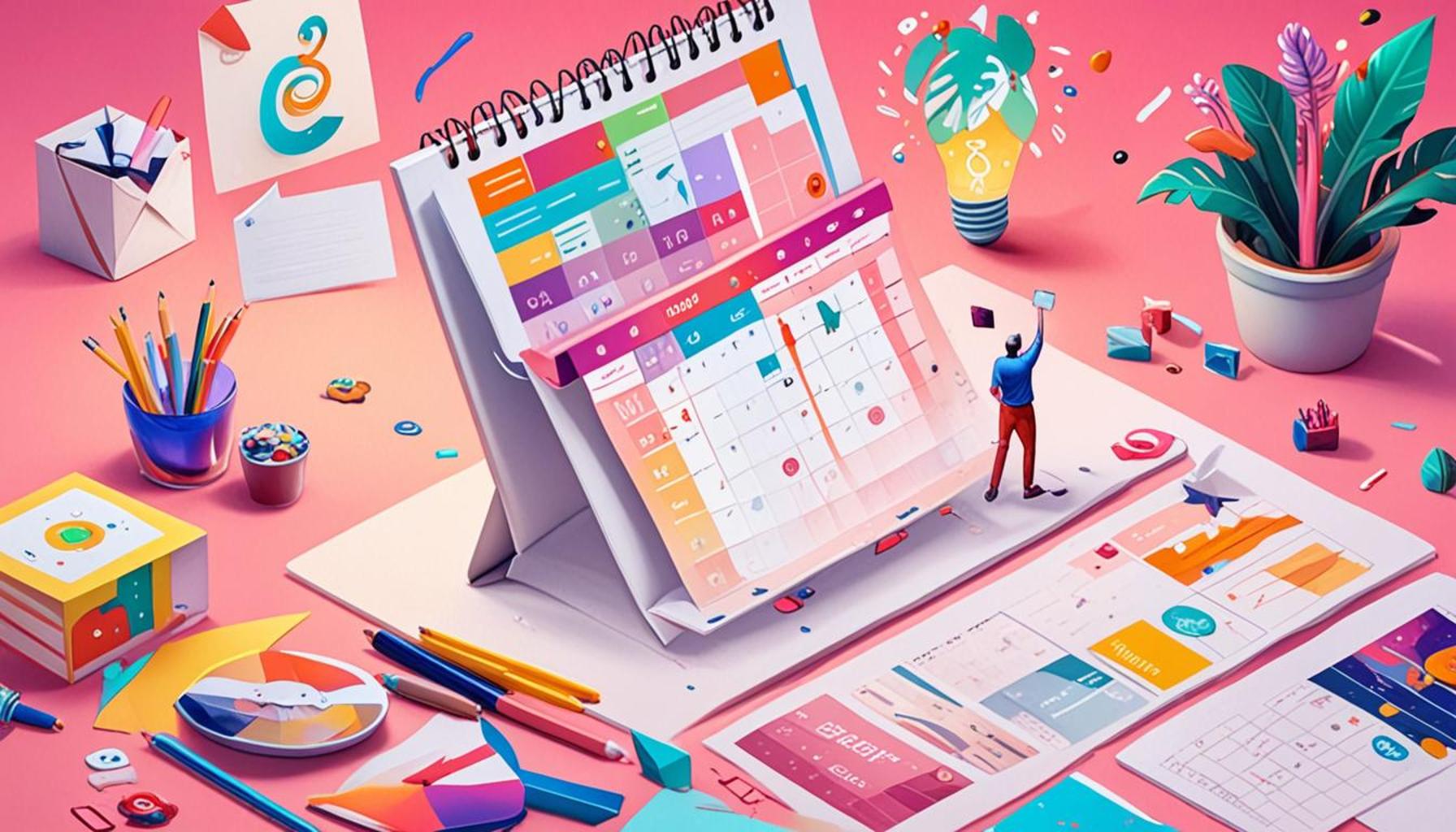
Creating an effective content calendar for your email campaigns is essential in maintaining organization and ensuring your messaging resonates with your audience. One of the first steps in this process is determining your target audience and understanding their preferences. You should analyze past campaigns to identify what content generated the most engagement. Utilize insights from engagement metrics to tailor your calendar around themes, events, or seasonal promotions that align with your audience’s interests.Another crucial aspect is frequency. By planning the timing of your emails, you can maintain a consistent presence in your audience’s inbox without overwhelming them. Consider sending out emails weekly or bi-weekly, depending on your resources and audience feedback. Additionally, integrating a variety of content types such as newsletters, promotional messages, and educational pieces will keep your audience engaged. For instance, you could dedicate specific weeks to different content types, allowing for a balanced outreach that attracts diverse segments of your subscriber list.Moreover, a visual format is beneficial. Tools such as Google Calendar or specialized content calendar platforms allow for easy tracking of planned content, deadlines, and send dates. Using colors or symbols to categorize types of content can provide at-a-glance understanding and clarity.Remember to regularly review and adjust your content calendar based on performance feedback. An adaptable calendar will enable you to respond quickly to changes in your audience’s preferences or industry trends, keeping your campaigns relevant and engaging.Finally, collaboration is key. If you are part of a team, ensure everyone is on the same page. Shares insights and brainstorming sessions can lead to innovative content ideas that resonate with users and set your emails apart from the competition. By being strategic and creative, your email campaigns can drive substantial engagement and conversions.
SEE ALSO: Click here to read another article
Optimizing Your Content Calendar for Success
Beyond establishing a foundation and understanding your audience’s preferences, optimizing your content calendar for email campaigns involves a strategic alignment of your marketing objectives, audience segmentation, and ongoing content improvement. Implementing these advanced strategies can lead to even more effective email marketing efforts.
4. Segment Your Audience: One of the most powerful strategies in email marketing is audience segmentation. Instead of sending the same message to your entire list, consider integrating various segments based on factors such as demographics, purchase history, or engagement levels. For example, if you run a small business that specializes in health products, you might segment your audience into categories such as fitness enthusiasts and wellness beginners. Tailoring email content to these segments ensures relevance, increases open rates, and boosts conversions by delivering personalized messaging.
5. Align with Your Marketing Goals: Each email campaign should contribute to your larger marketing goals. Whether your goal is to increase brand awareness, drive traffic to your website, or promote a specific product, ensure that your content calendar reflects these objectives. For instance, if you have an upcoming product launch, plan a series of teaser emails leading up to the launch date. This builds anticipation and excitement among your audience, creating a more effective campaign. Aligning your calendar with promotions, events, or partnerships also enhances the potential outcomes of your marketing efforts.
6. Incorporate Themes and Seasonal Content: To amplify engagement, consider creating themed content or seasonal campaigns within your email calendar. In the Philippines, cultural festivities and holidays play a pivotal role in consumers’ lives, so use major events such as Christmas, Holy Week, or local fiesta celebrations to bring festive spirit into your emails. You can incorporate gift ideas, seasonal promotions, or relevant tips that resonate with the cultural significance of these events. This cultivates stronger connections with your audience and encourages them to engage with your campaigns during these emotionally charged periods.
Leveraging Templates and Tools
To streamline the process of maintaining your email content calendar, utilize various tools and templates available online. Platforms like Mailchimp, HubSpot, or Hootsuite offer integrated solutions for email marketing that not only include calendar features but also allow for seamless execution of campaigns. These tools often have pre-made templates that align with diverse marketing strategies, optimizing your workflow while keeping your content visually engaging.
7. Plan for A/B Testing: Don’t forget to incorporate A/B testing directly into your calendar. Schedule specific times to experiment with different subject lines, content formats, or send times. For instance, if you have a special promotion on Filipino delicacies, try sending one email featuring a vibrant image of food and another showcasing a recipe. Monitor the performance of each version to see which resonates more with your audience, allowing you to refine future campaigns based on tested results.
By adopting these advanced tactics and tools, you foster a robust and dynamic content calendar for your email campaigns. This adaptability not only enhances the effectiveness of your messaging but also builds a stronger rapport with your audience, leading to long-term customer loyalty and sustained business growth.
LEARN MORE: This related article may interest you
Conclusion
Creating an effective content calendar for your email campaigns is not just about scheduling; it’s about building a framework that nurtures relationships with your audience and drives business growth. By implementing audience segmentation, you ensure that your communications resonate with different groups, enhancing engagement and conversion rates. Aligning each campaign with broader marketing goals transforms your emails into strategic touchpoints, reinforcing key messages and objectives.
Furthermore, by incorporating seasonal themes and culturally relevant content, particularly in the vibrant Filipino market, you tap into emotional connections that can significantly elevate your customers’ experiences. The use of templates and tools streamlines your efforts, making it easier to maintain consistency and creativity in your campaigns. Finally, integrating A/B testing within your calendar creates opportunities for continuous improvement, allowing you to respond to your audience’s preferences and behaviors effectively.
In summary, optimizing your email campaign calendar involves a blend of strategic planning, cultural awareness, and adaptive practices. As you invest time and resources into refining your calendar, you’ll not only increase the effectiveness of each campaign but also foster long-lasting loyalty among your customers. Continued learning and flexibility will empower you to navigate the ever-evolving digital landscape, ensuring your email marketing remains relevant and impactful.