Audience Segmentation Strategies for Effective Email Campaigns
The Importance of Audience Segmentation in Email Marketing
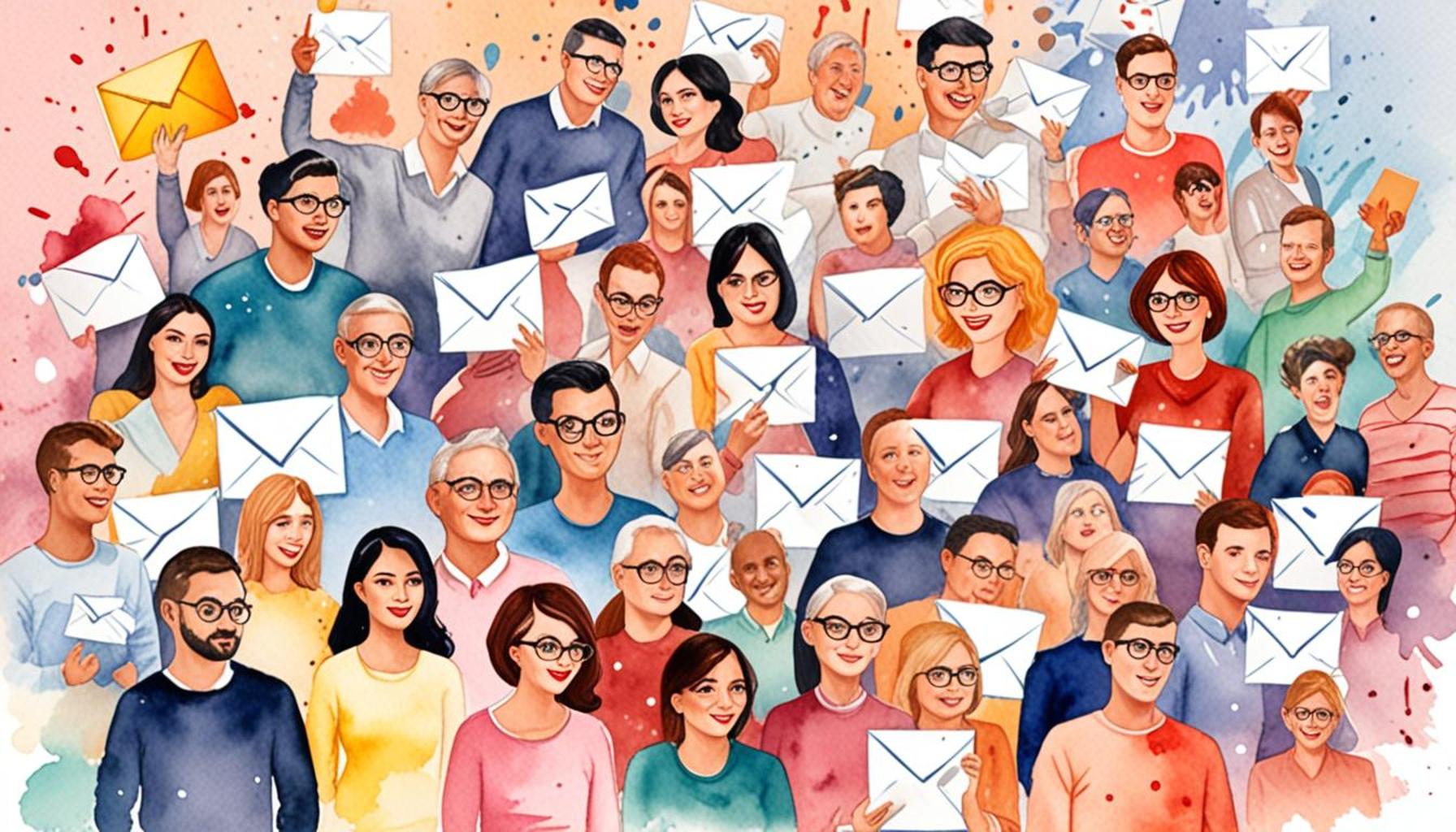
In the fast-paced world of digital marketing, one strategy stands out as essential for success: audience segmentation. This approach involves dividing your larger audience into smaller, more manageable groups based on shared characteristics or behaviors. By tailoring your email campaigns to these specific segments, businesses can significantly boost engagement and conversion rates, transforming casual readers into loyal customers.
Consider the practice of demographic segmentation, where marketers categorize their audience based on criteria such as age, gender, and location. For instance, a clothing retailer in the Philippines might create separate email campaigns for teenagers, young adults, and older demographics. Each group could receive content that is more attuned to their varied tastes and preferences, such as trendy outfits for younger recipients versus classic styles for older individuals. This not only captures the interest of the segments but also makes the email feel more relevant and personal.
Behavioral segmentation is another impactful strategy that looks at the actions of your audience—like past purchases and email engagement metrics. For example, an e-commerce store can segment its users by their shopping history. If a customer frequently buys sports equipment, they can be targeted with promotions related to upcoming sales or new arrivals in that specific category. This method directly correlates to increased customer satisfaction, as the emails they receive speak to their interests and purchase behavior.
Then, there’s psychographic segmentation, which delves deeper into the lifestyle choices, values, and interests of consumers. In the Philippines, understanding local values—such as community, family, and festivals—can enhance marketing efforts. During significant events like the Filipino “fiesta,” brands can create specific campaigns that resonate with familial and social themes, perhaps promoting products ideal for gatherings. By aligning with cultural touchstones, marketers can foster a deeper emotional connection with their audience.
Ultimately, effective audience segmentation is not merely about improving click-through rates; it’s about delivering real value to subscribers. As marketers gain insights into their audience, they can refine their strategies, crafting messages that resonate on a personal level. For those looking to elevate their email marketing, embracing advanced segmentation techniques and data-driven insights can unlock new avenues for growth. In an age where the consumer landscape is continually shifting, staying attuned to the nuances of your audience is not just an option—it’s a necessity.
By investing time in understanding and implementing these segmentation strategies, businesses in the Philippines can not only meet their marketing goals but also build enduring relationships with their customer base. The journey into the rich tapestry of audience segmentation awaits, with the potential to redefine your email campaigns for the better.
ADDITIONAL INSIGHTS: Expand your understanding here
Key Audience Segmentation Strategies
When it comes to optimizing email marketing campaigns, understanding your audience is paramount. Various audience segmentation strategies can significantly enhance your approach, allowing you to craft more targeted and effective messages. Here are some of the most impactful strategies that marketers in the Philippines can implement to elevate their campaigns:
1. Geographic Segmentation
Geographic segmentation involves dividing your audience based on their physical location. In the context of the Philippines, this can mean targeting users in urban areas like Metro Manila differently from those in rural provinces. For example, promotional emails for high-end products might resonate better with metropolitan dwellers with higher disposable income, while value-focused campaigns could appeal to consumers in less urbanized regions. Additionally, incorporating local dialects or cultural references can make your emails even more relatable and engaging to specific geographic audiences.
2. Temporal Segmentation
Temporal segmentation focuses on the timing of your communications. By analyzing when subscribers open their emails or make purchases, marketers can tailor their campaigns accordingly. For instance, sending promotional emails right before payday might yield better engagement rates, especially when promoting essential items or discounts. Similarly, aligning campaigns with local events or holidays, such as Semana Santa or Noche Buena, can help capture attention when your audience is most likely considering purchases.
3. Firmographic Segmentation
For businesses targeting other businesses (B2B), firmographic segmentation becomes crucial. This strategy segments your audience based on company size, industry, or revenue. For instance, a software company targeting small to medium-sized enterprises (SMEs) in the Philippines may highlight ease of integration and cost-effectiveness in their email campaigns, while larger corporations could receive messages emphasizing scalability and advanced features. Understanding the unique needs of different firms can result in more relevant content and stronger engagement.
4. Engaging Personalization Techniques
Personalizing emails goes beyond just inserting a subscriber’s name. By analyzing previous interactions, businesses can tailor content that speaks to the individual preferences of each recipient. Consider the following approaches:
- Dynamic Content: Customize the email body to reflect the recipient’s past purchases or viewed products.
- Targeted Offers: Send personalized discount codes or product recommendations based on browsing behavior.
- Behavioral Triggers: Automate emails to be sent after specific actions—like a cart abandonment reminder—to encourage completion of a purchase.
Using personalization techniques not only increases open rates but also fosters a stronger connection between the brand and the consumer.
As marketers delve into these audience segmentation strategies, they soon realize that the key to effective email campaigns lies in understanding the individuals behind the statistics. By making informed segmentation decisions, businesses can nurture leads, foster loyalty, and boost overall conversion rates, thus laying the groundwork for sustainable growth in the competitive landscape of the Philippine market.
| Segmentation Strategy | Advantages |
|---|---|
| Demographic Segmentation | Allows for tailoring messages based on age, gender, and income, enhancing relevance. |
| Behavioral Segmentation | Improves engagement by targeting users based on their actions, boosting conversion rates. |
The sophisticated practice of audience segmentation continues to transform email marketing, ushering in a new era of personalization. Demographic segmentation, for instance, leverages characteristics such as age, gender, and income to create highly relevant email content that resonates with the target audience. By addressing unique needs, brands can significantly increase customer engagement, ultimately driving sales.On the other hand, behavioral segmentation focuses on users’ interactions with previous campaigns. This strategy allows marketers to tailor their messages based on the customer’s behavior, leading to enhanced interaction rates. When users feel understood and valued, they are more likely to engage with the product offerings, resulting in a more effective email campaign overall. These strategies not only foster customer loyalty but also improve the overall return on investment (ROI) for marketing efforts.
YOU MAY ALSO LIKE: Read read another article
Advanced Audience Segmentation Techniques
As marketers continue to refine their approach to audience engagement through email, the significance of utilizing advanced segmentation techniques cannot be overstated. Moving beyond basic strategies allows you to reach your target audience more effectively, leading to increased engagement and conversion rates. Here are several advanced audience segmentation strategies that Filipino marketers can adopt:
5. Psychographic Segmentation
Psychographic segmentation divides your audience based on their interests, values, attitudes, and lifestyles. This granular approach allows businesses to craft messages tailored not just to what their audience buys, but why they buy it. For example, a health supplement company could segment its email list into groups based on lifestyle preferences—targeting fitness enthusiasts with information about performance-enhancing products while sending wellness-focused content to individuals interested in holistic health. By tapping into the emotional triggers that drive purchasing decisions, marketers can create compelling narratives that resonate deeply with their audience.
6. Journey-Based Segmentation
Understanding your audience’s position in the customer journey is pivotal for sending timely and relevant emails. This segmentation approach involves categorizing subscribers based on where they are in the buying process, which can include awareness, consideration, or decision stages. For instance, new subscribers may receive welcome emails that highlight popular products or a brand’s mission, while returning customers can be targeted with re-engagement campaigns featuring special offers. By aligning email strategies with user journeys, businesses ensure that each message adds value and encourages progression toward conversion.
7. Engagement Level Segmentation
Identifying the level of engagement your subscribers have with previous campaigns is crucial in crafting the right email strategy. You can segment your audience into categories such as highly engaged, moderately engaged, and inactive subscribers. For example, those who frequently click on links in your emails might receive exclusive previews of new products, while inactive subscribers might benefit from win-back campaigns featuring exceptional discounts or personalized messages aimed at re-establishing interest. Analyzing engagement metrics allows businesses to continually evolve their email marketing approach, improving response rates over time.
8. Custom Segmentation
Custom segmentation refers to the unique criteria that businesses can set based on their specific audience data or goals. This can include segmenting customers by specific product preferences or behaviors, such as the frequency of purchases or average spend. For instance, a fashion retailer might segment active customers who frequently purchase accessories separately from those who primarily buy clothing. Custom segmentation helps businesses focus their efforts on particular segments and tailor messages that speak directly to their unique shopping habits and needs.
Moreover, leveraging Artificial Intelligence (AI) and machine learning can significantly enhance custom segmentation strategies. Tools that analyze past purchasing data can automatically adjust campaigns in real-time, offering a level of personalization that may not be achievable manually. For Filipino companies looking to innovate their marketing strategies, investing in advanced analytics and AI-powered solutions can prove transformative.
Incorporating these advanced segmentation methods allows marketers to deliver personalized experiences that resonate with their audience on multiple levels. By harnessing the power of psychographics, customer journeys, engagement levels, and custom segmentation, businesses can enhance their email marketing efforts and build lasting connections with their customers in the evolving digital landscape of the Philippines.
YOU MAY ALSO LIKE: Read read another article
Conclusion: Elevating Email Campaigns Through Targeted Strategies
As the digital landscape in the Philippines continues to evolve, the importance of audience segmentation strategies in email campaigns cannot be underestimated. By shifting from conventional methods to more advanced tactics, marketers have the opportunity to foster deeper connections with their audiences, leading to better engagement and improved conversion rates. Techniques such as psychographic segmentation, journey-based segmentation, and engagement level segmentation allow for a finely tuned approach, ensuring that each email resonates with its recipients. Furthermore, embracing custom segmentation strategies supported by AI and machine learning can amplify these efforts, ensuring a heightened degree of personalization that meets the evolving expectations of consumers.
In today’s competitive market, delivering personalized content is not just a strategy; it is a necessity. Email campaigns that leverage these advanced segmentation techniques are more likely to capture interest, encourage action, and ultimately drive loyalty among customers. As Filipino marketers continue to navigate this dynamic environment, it is essential to stay informed about emerging trends and technologies in audience segmentation. This proactive approach will not only enhance email marketing effectiveness but also empower businesses to remain agile and responsive to consumer needs.
In summary, investing in sophisticated segmentation strategies paves the way for tailored customer experiences, fosters trust, and ensures that communications stand out in crowded inboxes. By committing to a thoughtful audience segmentation philosophy, brands can unlock the full potential of their email campaigns and build lasting relationships that grow over time.