
The Future of Mobility: Innovations in Electric and Autonomous Vehicles
Understanding the Shift in Transportation
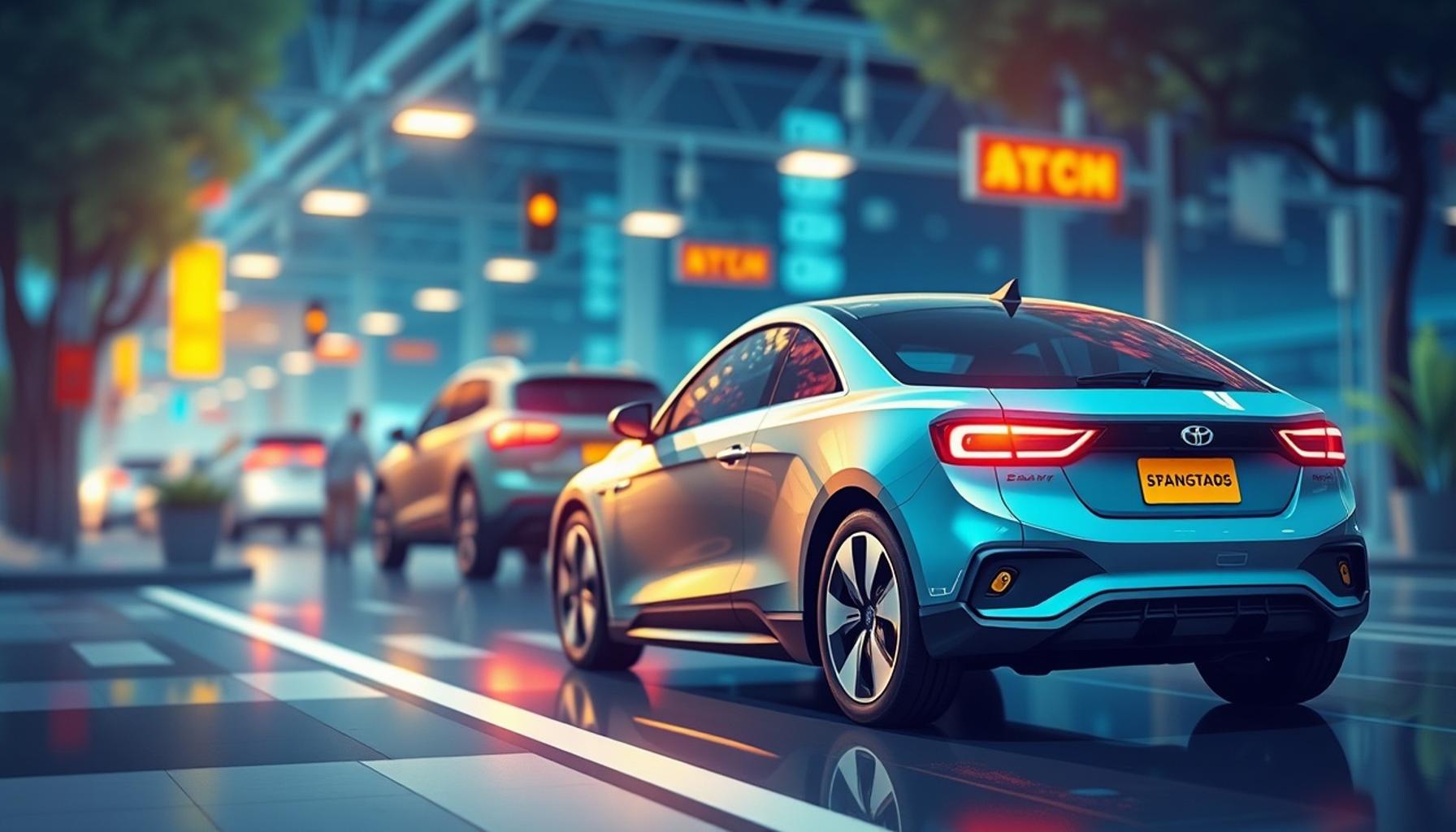
The landscape of transportation is rapidly evolving, driven by advancements in technology. As we look towards the future, electric and autonomous vehicles are at the forefront of this transformation. These innovations promise not only to change how we travel but also to address critical issues like climate change and urban congestion.
The emergence of Electric Vehicles (EVs) marks a significant shift in the automotive industry. Unlike traditional vehicles powered by gasoline or diesel, EVs utilize electric power stored in rechargeable batteries. This shift is crucial as it reduces our reliance on fossil fuels, which are major contributors to air pollution and global warming. For instance, a fully electric car like the Tesla Model 3 produces zero tailpipe emissions, making it an environmentally friendly choice for consumers. Additionally, with increasing infrastructure such as charging stations, owning an EV is becoming more convenient, reducing range anxiety and encouraging wider adoption.
Meanwhile, Autonomous Technology is revolutionizing how we think about driving. Self-driving systems, powered by advanced sensors and artificial intelligence, promise to enhance safety by minimizing human error—one of the leading causes of traffic accidents. Companies like Waymo are at the forefront of this field, testing vehicle fleets in urban environments. By eliminating the need for a human driver, these technologies can potentially reduce traffic incidents and improve traffic flow, leading to decreased congestion in busy city areas.
The importance of Sustainability Efforts cannot be overstated in today’s context. With growing concerns over climate change, the automotive industry is under pressure to innovate for the sake of the planet. For example, General Motors has announced its commitment to an all-electric future by 2035, aiming to transition all of its vehicles to electric power. Such initiatives are imperative for cutting carbon emissions and fostering a cleaner environment.
The implementation of these technologies extends beyond individual vehicles; it has significant implications for our cities and economies. The rise of EVs and autonomous vehicles could lead to a transformation in urban planning, with resources shifting toward more pedestrian-friendly designs and greener public transport options. As these technologies develop, they will not only reshape our vehicles but also our cities, economies, and lives.
Understanding these changes is essential for grasping the future of mobility. The journey towards a sustainable transportation system is just beginning, and it invites everyone—from consumers to policymakers—to participate actively in shaping what lies ahead. In this article, we will dive deeper into the latest trends and innovations, setting the stage for a future that promises to be as dynamic as the technologies that are enabling it.
DISCOVER MORE: Click here to find out how technology is fighting climate change
The Rise of Electric Vehicles: A Cleaner Future
The push towards electric vehicles (EVs) represents not merely a trend but a revolutionary change that addresses both environmental concerns and the need for sustainable mobility. As consumers become increasingly aware of the impact of their choices, many are opting for electric vehicles that promise lower emissions and reduced dependence on fossil fuels. The decision to switch to an EV is supported by several benefits, including:
- Cost Savings: Despite a higher upfront cost, EVs tend to save owners money over time through lower fueling and maintenance costs. According to Energy.gov, the cost of electricity for driving an electric vehicle is significantly less than gasoline.
- Government Incentives: Many states offer tax credits, rebates, and incentives for EV purchases. For example, the federal government currently provides a tax credit for qualifying EVs, lowering overall costs and encouraging adoption.
- Performance Benefits: Electric vehicles often deliver superior acceleration and a smoother driving experience compared to traditional gas-powered cars. With instant torque available from electric motors, drivers can experience remarkable performance.
Furthermore, automakers are investing heavily in the development of EV technology. Companies like Tesla have spearheaded innovation, pushing other manufacturers to follow suit. Major car manufacturers such as Ford, General Motors, and Nissan are committing to expanding their electric fleets, introducing new models that cater to a variety of consumer needs. This growing competition is driving down prices and improving technology, making electric vehicles more accessible than ever.
Advancements in Autonomous Vehicles: Safer Roads Ahead
In parallel to the rise of electric vehicles, autonomous technology is being closely integrated into the automotive landscape. The idea of self-driving cars is transforming not only how we think about personal transportation but also the broader implications for road safety and urban planning. The development of autonomous vehicles involves complex systems that combine various technologies, including sensors, cameras, and artificial intelligence, allowing vehicles to navigate without human intervention.
Companies like Waymo and Uber are leading the charge, conducting extensive testing and pilot programs in major urban areas to refine their systems. The ultimate goal is to create vehicles that can safely operate on public roads under varying conditions, promoting enhanced road safety and efficiency. Benefits of this technology include:
- Reduced Traffic Accidents: By minimizing human error, autonomous vehicles have the potential to drastically decrease the number of traffic accidents caused by distracted or impaired driving.
- Increased Accessibility: Self-driving cars could become life-changing for individuals unable to drive due to age or disability, allowing them greater independence and mobility.
- Efficient Traffic Flow: In a future where autonomous vehicles communicate with each other and infrastructure, we anticipate smoother traffic patterns and decreased congestion in our cities.
While there are still challenges to address, such as regulatory frameworks and public acceptance, the innovations in autonomous vehicle technology signal a future where road transportation is not only safer but also more efficient. As we delve deeper into the future of mobility, it is clear that these advancements will come together to create a synergistic effect that changes how we move. As both electric and autonomous technologies continue to develop, they offer a glimpse into a smarter, more sustainable transportation ecosystem.
LEARN MORE: Click here to dive deeper
The Integration of Smart Infrastructure: Connecting Our Cities
As we move further into the realm of electric and autonomous vehicles, the importance of integrating smart infrastructure becomes increasingly apparent. The future of mobility is not just about the vehicles themselves; it also involves rethinking the cities and environments in which these vehicles operate. Smart infrastructure encompasses a variety of technologies that enhance the efficiency, safety, and sustainability of urban transport systems. Key components of this integration include:
- Vehicle-to-Everything (V2X) Communication: This technology allows vehicles to communicate with each other as well as with infrastructure, such as traffic lights and road signs. By sharing data about traffic conditions, road hazards, and more, V2X communication can help optimize traffic flow, reduce delays, and improve overall safety. For example, an autonomous vehicle approaching a traffic signal could receive real-time updates about the light changing, enabling it to adjust its speed and avoid abrupt stops.
- Smart Traffic Management Systems: Cities are beginning to implement systems that can adjust traffic signals and routes based on real-time data. By utilizing AI and machine learning, these systems can manage traffic congestion more effectively, enhancing the experience for both human drivers and autonomous vehicles. A city that uses adaptive traffic signals can significantly decrease waiting times and emissions, making it a cleaner and more efficient environment.
- Electric Charging Infrastructure: As the adoption of electric vehicles continues to rise, the need for a comprehensive charging ecosystem is critical. Partnerships between local governments, businesses, and energy providers have led to the installation of charging stations at key locations, such as shopping centers, workplaces, and residential areas. A well-distributed network of chargers makes it more convenient for drivers to transition to electric vehicles. The ultimate aim is to achieve widespread access, helping to alleviate “range anxiety” for potential EV buyers.
Additionally, smart infrastructure can support innovations in public transport, integrating electric and autonomous vehicles into existing transit systems. The introduction of autonomous shuttles in urban areas can complement public transportation networks, providing last-mile connectivity for commuters. For instance, cities like Phoenix and San Francisco have launched pilot programs featuring autonomous shuttles that link key transportation hubs, making commuting more efficient for residents.
The Role of Policy and Regulation: Navigating the Future
As innovations in electric and autonomous vehicles accelerate, effective policy and regulatory frameworks are essential to ensure their safe and equitable deployment. Policymakers are faced with the challenge of balancing technological advancements with public safety, environmental standards, and economic considerations. Important areas of focus include:
- Establishing Safety Standards: Governments must collaborate with industry leaders to develop clear safety guidelines for autonomous vehicles. This includes rigorous testing protocols and certification processes to ensure that these vehicles can operate safely on public roads. For example, states such as California have implemented regulations requiring companies to submit their safety assessments before deploying autonomous vehicles for public use.
- Promoting Equity in Mobility: As new technologies emerge, it is vital to ensure that all segments of the population have access to these advancements. Policymakers need to consider programs that provide support for low-income communities and individuals with disabilities, ensuring that they too can benefit from the electric and autonomous vehicle revolution.
- Encouraging Research and Development: Investment in R&D is necessary to continue making strides in electric and autonomous vehicle technology. Governments can incentivize innovation through grants, tax credits, and partnerships with research institutions, fostering a culture of continuous improvement and breakthrough advancements.
In conclusion, as electric and autonomous vehicles reshape our definition of mobility, the symbiotic relationship between technology, infrastructure, and policy will be paramount. Together, these elements will work to create an integrated, efficient, and sustainable transportation system for the future. As we navigate this exciting landscape, it’s clear that the journey is just beginning, with countless opportunities and innovations on the horizon.
DISCOVER MORE: Click here to learn how to receive free products on Shein!
Looking Ahead: The Road to a New Era of Mobility
In summary, the future of mobility is poised for transformation through the innovations in electric and autonomous vehicles, which are reshaping both transportation and urban living. Electric vehicles (EVs) promise not only to reduce our carbon footprint but also to pave the way for cleaner air in our cities. Meanwhile, the development of autonomous vehicles offers the potential for increased safety and decreased traffic congestion, fundamentally altering how we think about personal and public transport.
The successful integration of these technologies relies heavily on smart infrastructure and thoughtful policy frameworks. As cities strive to implement Vehicle-to-Everything (V2X) communication and adaptive traffic management systems, coordination between government agencies, private companies, and communities will be essential. This collaboration can create inclusive transportation systems that ensure all individuals, regardless of socio-economic status, gain access to the advancements of modern mobility.
As we look to the horizon, it is critical to recognize that these innovations are not just about vehicles; they encompass a broader vision of sustainability and connectivity. In achieving this vision, we must remain committed to addressing safety, environmental impact, and equity through comprehensive regulations and community engagement. With a supportive ecosystem in place, we can drive towards a future of mobility that is efficient, affordable, and environmentally friendly, ultimately crafting a transportation landscape that benefits everyone.

Linda Carter
Linda Carter is a writer and expert known for producing clear, engaging, and easy-to-understand content. With solid experience guiding people in achieving their goals, she shares valuable insights and practical guidance. Her mission is to support readers in making informed choices and achieving significant progress.