
Cybersecurity in IoT Devices: Challenges and Protection Strategies in the Connected Era
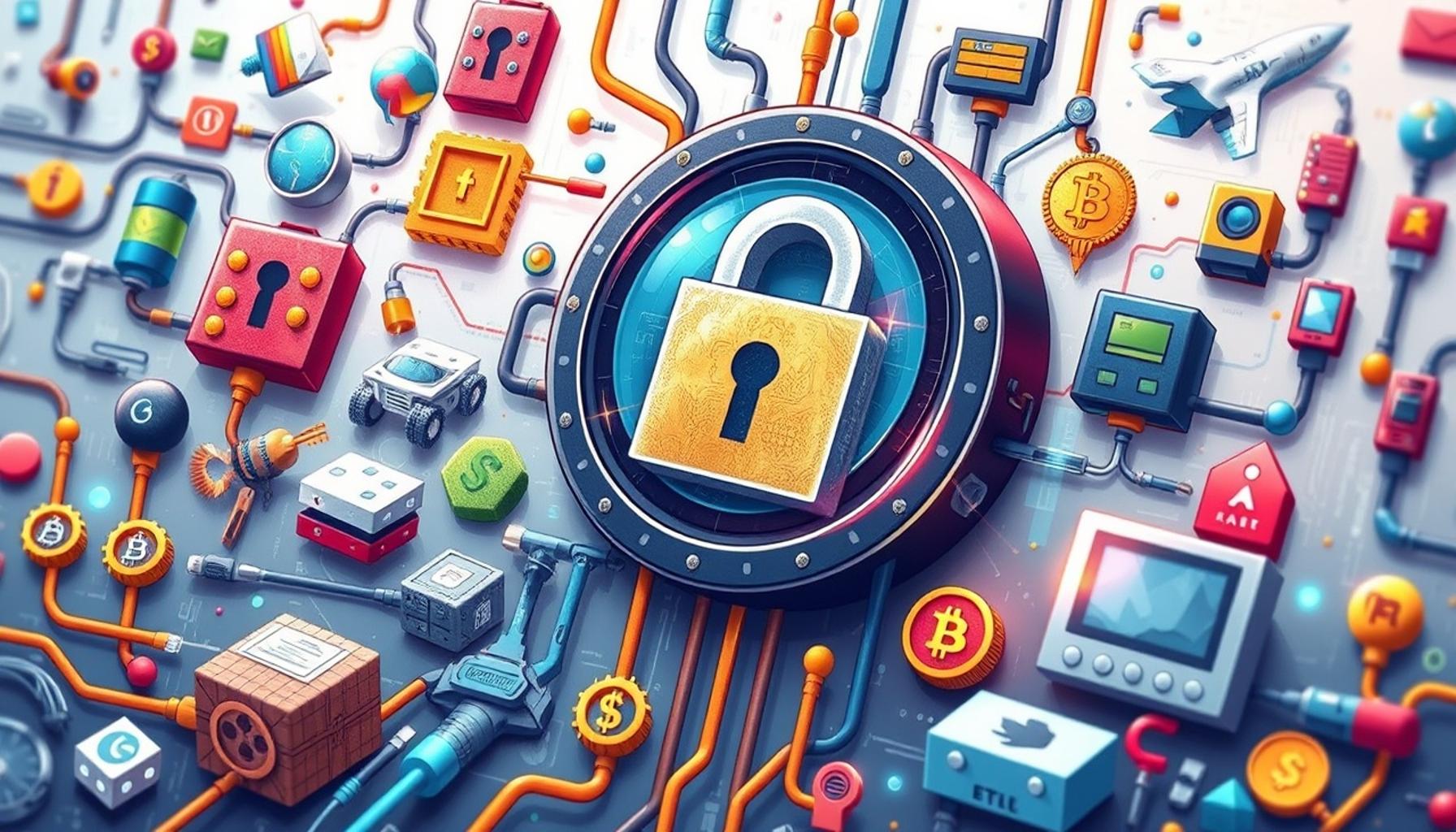
Understanding the Landscape of IoT Cybersecurity
As our world becomes increasingly interconnected through the Internet of Things (IoT), the need for robust cybersecurity measures has never been more critical. Everyday devices, from smart thermostats to wearable fitness trackers, collect and transmit data, making them potential targets for cybercriminals. In this environment, understanding how to protect our devices and personal information is essential.
The unique challenges posed by IoT devices are multifaceted and require close attention. For instance, the vulnerability to attacks often stems from their hardware limitations. Many IoT devices are designed to be cost-effective, thus compromising on powerful security features. Take, for example, smart cameras used for home surveillance. If these devices do not receive regular security updates or use weak passwords, they can be exploited, allowing unauthorized access to your home feeds.
Another significant concern is the data privacy risks associated with IoT devices. These devices often handle sensitive personal information, such as health data from wearable technology like fitness trackers or smartwatches. A breach of this data can have far-reaching consequences, including identity theft or unauthorized use of personal health information. For example, if your health data were compromised, hackers could potentially sell this information on the dark web or misuse it for fraudulent activities.
Moreover, device management difficulties add another layer of complexity. The exponential growth in the number of connected devices makes it challenging for users and organizations to keep track of security policies for each device. For example, a smart refrigerator, multiple smart speakers, and various connected light bulbs all need updates, yet many users may overlook these processes, leaving their devices exposed.
To address these challenges, it is imperative to adopt effective protection strategies. Regular software updates are crucial; keeping firmware and software up to date helps patch vulnerabilities. Consequently, manufacturers must take responsibility for supporting their products long-term and providing updates. Furthermore, employing network segmentation is an effective measure. By isolating IoT devices from core networks, users can limit the impact of breaches, ensuring that even if one device is compromised, it does not grant hackers access to other sensitive areas of the network.
Implementing strong authentication protocols is also crucial to enhancing security. Multi-factor authentication (MFA), for instance, adds an extra layer of protection beyond just a password. This could involve a text message code or biometric verification, significantly reducing the chances of unauthorized access.
Understanding and implementing these practices is essential for safeguarding our homes and businesses. By being proactive, users and organizations can significantly reduce the risks associated with IoT devices. In conclusion, by emphasizing daily awareness and taking strategic preventative measures, we can continue to enjoy the benefits of connected devices while maintaining control over our digital security.
DISCOVER MORE: Click here to learn about safeguarding your data in the digital age</
Identifying Key Vulnerabilities in IoT Devices
The proliferation of IoT devices has transformed the way we live and work, providing convenience and efficiency that was previously unimaginable. However, this shift has also introduced a range of potential vulnerabilities that cybersecurity efforts must address. Understanding these vulnerabilities is the first step toward developing effective protection strategies.
One of the most pressing vulnerabilities is the inadequate security measures often embedded within IoT devices. Many manufacturers prioritize functionality and cost over security, leading to devices that lack basic protective features. For example, numerous IoT devices come with default passwords that are easily discoverable or not changed by users, allowing hackers to gain unauthorized access with minimal effort. This was notably the case with certain models of smart home devices that were compromised during high-profile cyberattacks, exposing not only personal information but also undermining user trust in IoT technologies.
Another key vulnerability is the lack of standardization across IoT platforms and devices. Unlike traditional computing systems, which generally adhere to established security protocols, IoT technologies vary widely in their security implementations. This inconsistency complicates the creation of a cohesive security framework. For instance, some devices may use outdated encryption methods, while others may rely on no encryption at all. This is particularly concerning in environments like healthcare, where connected devices such as pacemakers and insulin pumps could become targets, potentially jeopardizing patient safety.
Furthermore, the inadequate lifecycle management of IoT devices poses a critical risk to users. Unlike conventional electronics, many IoT devices are not designed with an end-of-life plan in mind. This creates a scenario where devices may remain in use far longer than their security can be guaranteed. For instance, an older smart thermostat might continue operating without receiving updates, rendering it vulnerable to new and evolving threats that are more easily addressed by updated devices.
To combat these vulnerabilities, users and organizations must adopt a proactive approach to security by implementing comprehensive strategies. Here are some practical measures that can help:
- Change Default Passwords: Always change any factory-set passwords immediately upon installation. Choose complex passwords that include a mix of letters, numbers, and special characters.
- Regular Software Updates: Schedule regular check-ups for updates to firmware and software to ensure devices are running the most secure versions available.
- Device Monitoring: Use tools and applications that monitor the behavior of IoT devices and provide alerts on unusual activities.
- Educate Users: Stay informed about cybersecurity best practices and educate all users within a household or organization to help promote a culture of cybersecurity awareness.
By acknowledging these vulnerabilities and prioritizing protective measures, we can effectively mitigate the risks associated with the ever-expanding universe of IoT devices. As we continue to integrate these technologies into our daily lives, a keen awareness of security challenges is essential for safeguarding our personal and organizational data.
DISCOVER MORE: Click here to dive deeper
Implementing Protection Strategies for IoT Security
As the vulnerabilities in IoT devices become increasingly apparent, implementing robust protection strategies is crucial to safeguarding both personal and organizational data. Beyond basic security measures, addressing the complexities introduced by a connected ecosystem requires a multi-faceted approach that combines technology, policy, and user awareness.
A key strategy involves building defense-in-depth mechanisms. This approach advocates for multiple layers of security measures rather than relying on a single solution. For instance, if one layer—such as the device’s password protection—is bypassed, additional safeguards like network segmentation can still protect sensitive data. In a typical home setting, connecting IoT devices through a secondary network separate from the main Wi-Fi can prevent unauthorized access. This way, even if a hacker gains entry through the smart refrigerator, they cannot easily reach critical devices such as computers or security cameras.
The adoption of authentication protocols is another essential component in enhancing security for IoT devices. Implementing multi-factor authentication (MFA) can significantly bolster security. MFA requires users to present two or more verification factors to gain access, such as a password combined with a biometric scan or a text confirmation code. This additional layer makes it much harder for potential attackers to compromise accounts linked to IoT devices, as gaining access would necessitate more than just a simple password breach.
Moreover, the role of encryption cannot be understated. Protecting data in transit through encryption ensures that even if intercepted, the data remains unreadable and useless to cybercriminals. For example, when medical devices transmit data to healthcare providers, securing this information through encryption safeguards not only patient privacy but also the integrity of the treatment data. Organizations should require strong encryption algorithms, such as Advanced Encryption Standard (AES), to ensure the highest level of security.
Regular security audits are another proactive measure that can help identify potential weaknesses in an organization’s IoT landscape. These audits examine the security posture of IoT devices by simulating attacks and assessing response protocols. By discovering vulnerabilities before malicious actors do, organizations can address issues promptly, minimizing the risk of data breaches. For instance, a retail business that relies on IoT devices for inventory management should routinely check for security vulnerabilities that may arise when integrating new devices into their system.
Finally, fostering a culture of cybersecurity awareness among users is critical, especially in a connected environment where individual behaviors impact overall security. Organizations can implement training programs where employees learn about the latest threats and best practices in IoT security. Similar training can be offered to households, teaching family members about the risks associated with IoT devices and how to manage them. For example, parents can educate children on the importance of not sharing passwords and the dangers of connecting unfamiliar devices to the home network.
As IoT technology continues to evolve, so too must the strategies to protect it. Through a combination of layered defenses, strong authentication measures, constant security assessments, and a well-informed user base, we can navigate the challenges of cybersecurity in the connected era and create a safer digital environment for everyone.
DISCOVER MORE: Click here to learn how technology is fighting climate change
Conclusion
In an era where Internet of Things (IoT) devices are becoming ubiquitous, understanding the challenges they pose to cybersecurity is essential for both individuals and organizations. The interconnected nature of these devices not only enhances convenience but also introduces a multitude of vulnerabilities that could jeopardize sensitive data and privacy. For instance, smart home devices such as thermostats, cameras, and smart speakers can be exploited if not properly secured, leading to potential breaches that might expose personal information or give unauthorized access to homes.
To mitigate these risks, implementing comprehensive protection strategies is paramount. This includes employing defense-in-depth mechanisms, which involve layering security measures to provide multiple levels of defense. By combining firewalls, intrusion detection systems, and software updates, organizations can create a resilient security framework. Additionally, utilizing strong authentication protocols, such as two-factor authentication, can significantly reduce the likelihood of unauthorized access. Robust encryption of data both in transit and at rest adds another layer of protection, ensuring that even if data is intercepted, it remains indecipherable to cybercriminals.
Regular security audits are also indispensable in identifying gaps and ensuring that defenses adapt to the ever-evolving threat landscape. Such audits can provide critical insights into potential vulnerabilities and help organizations fortify their security posture. Furthermore, fostering a culture of cybersecurity awareness among employees and users cultivates informed individuals who are more vigilant in recognizing suspicious activities. For example, an employee knowing the signs of phishing can prevent a potential data breach from occurring.
Ultimately, navigating the challenges of cybersecurity in the connected era requires a cooperative effort among device manufacturers, organizations, policymakers, and users. By prioritizing collaboration, stakeholders can share knowledge and resources, ensuring more effective defenses are put in place. The synergy between technological innovation and proactive security measures can pave the way for a safer digital ecosystem. As we embrace the advancements provided by IoT technology, we must remain vigilant and proactive, ensuring that our connected devices enrich our lives while maintaining our security and privacy. Understanding and addressing these challenges is essential for anyone engaged with IoT, as the security landscape will continue to evolve, necessitating our constant attention and action.

Linda Carter
Linda Carter is a writer and expert known for producing clear, engaging, and easy-to-understand content. With solid experience guiding people in achieving their goals, she shares valuable insights and practical guidance. Her mission is to support readers in making informed choices and achieving significant progress.